
Projects and Case Studies

Subgrade Condition Assessments
OmniVueNDT performed subgrade condition assessments using ground penetrating radar (GPR) to evaluate underlying soil and subsurface conditions. The project focused on identifying voids, inconsistencies, and potential weaknesses that could impact load-bearing capacity and long-term performance. Using non-destructive testing methods, accurate subsurface data was provided to support safe construction practices, improve planning, and reduce the risk of settlement or structural issues.
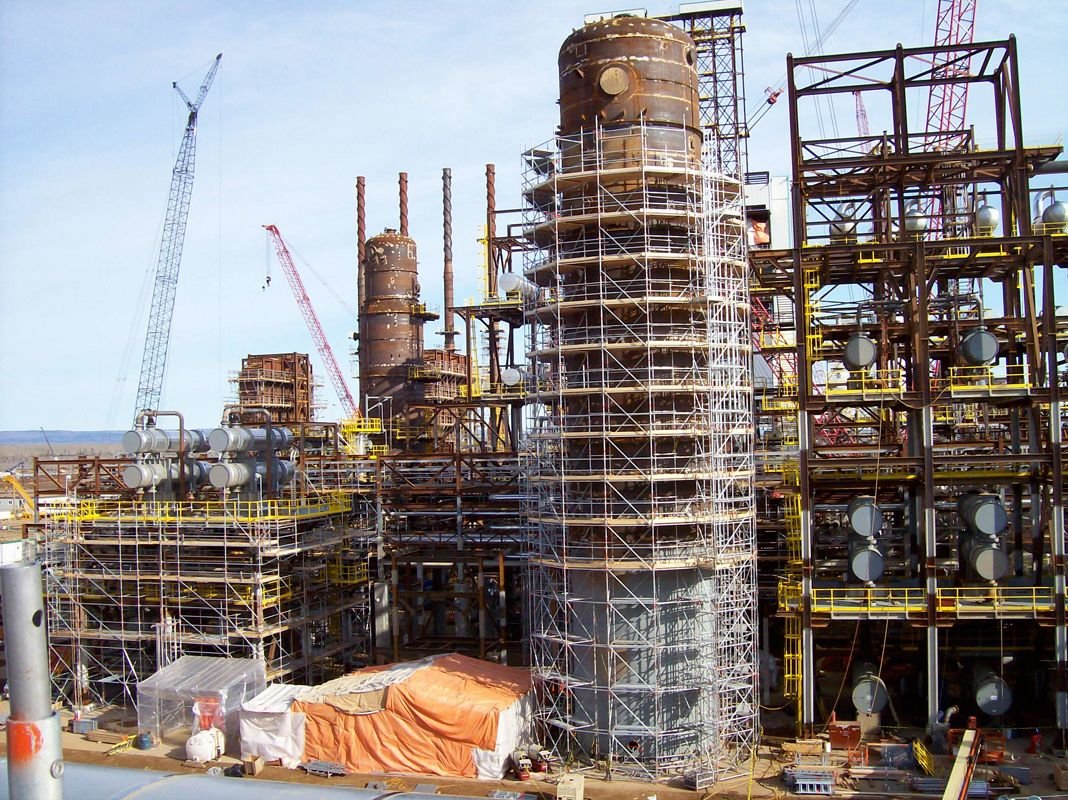
Subsurface Hazard Recognition - Scaffolding
OmniVueNDT performed GPR scanning to identify subsurface hazards beneath scaffolding locations prior to setup. The project focused on detecting voids, unstable ground conditions, and hidden anomalies that could compromise load-bearing capacity and worker safety. Using non-destructive testing methods, accurate subsurface data was provided to support safe scaffolding installation, reduce risk, and ensure stable working conditions in demanding environments.

What is underneath your foundation?
OmniVueNDT provides GPR-based ground quality assessments to evaluate subsurface conditions beneath building foundations. Hidden issues such as voids, soil instability, and subsurface anomalies can compromise structural integrity if left undetected. Using non-destructive testing methods, OmniVueNDT delivers accurate subsurface imaging to support safe construction, prevent foundation-related issues, and ensure long-term performance.

Concrete Spillway Condition Assessment with GPR
OmniVueNDT performed a GPR-based condition assessment of a concrete spillway to evaluate subsurface conditions and identify potential voids or anomalies. The project focused on detecting hidden issues that could compromise structural integrity and lead to erosion or failure. Using non-destructive testing methods, accurate subsurface data was collected to support maintenance planning, mitigate risk, and ensure the long-term performance and safety of the structure.

Subsurface Condition Assessment - Crane Placement
OmniVueNDT performed a GPR-based subsurface condition assessment to evaluate ground conditions prior to crane placement. The project focused on identifying potential voids and areas of instability beneath crane pad and outrigger locations that could compromise load-bearing capacity. Using non-destructive testing methods, accurate subsurface data was collected to support safe lifting operations, reduce risk, and ensure proper planning for heavy equipment placement.

Cement Silo Condition Assessment Dixon, IL
OmniVueNDT conducted a GPR-based condition assessment of a cement silo in Dixon, IL to evaluate subsurface conditions and structural integrity. The project aimed to identify potential voids and hidden anomalies that could impact the performance and safety of the structure. Using non-destructive testing methods, critical insights were gathered to support maintenance planning, reduce risk, and ensure continued safe operation of the facility.

Subsurface Condition Assessment, Syncrude Refinery Canada, AB
A mobile crane collapse occurred due to an undetected underground void beneath the crane pad. No GPR scanning or subsurface assessment was performed prior to lifting operations. Proper scanning of outrigger locations and load-bearing capacity evaluation could have identified the risk and prevented failure.