

Regulatory Trends and Risk Management: What Construction and Infrastructure Teams Need to Know About Subsurface Imaging
Subsurface imaging is a critical method used to identify hidden risks and ensure compliance with evolving construction and infrastructure regulations. By detecting underground utilities, voids, and hazards, it helps teams manage risk, avoid violations, and support safe project execution.
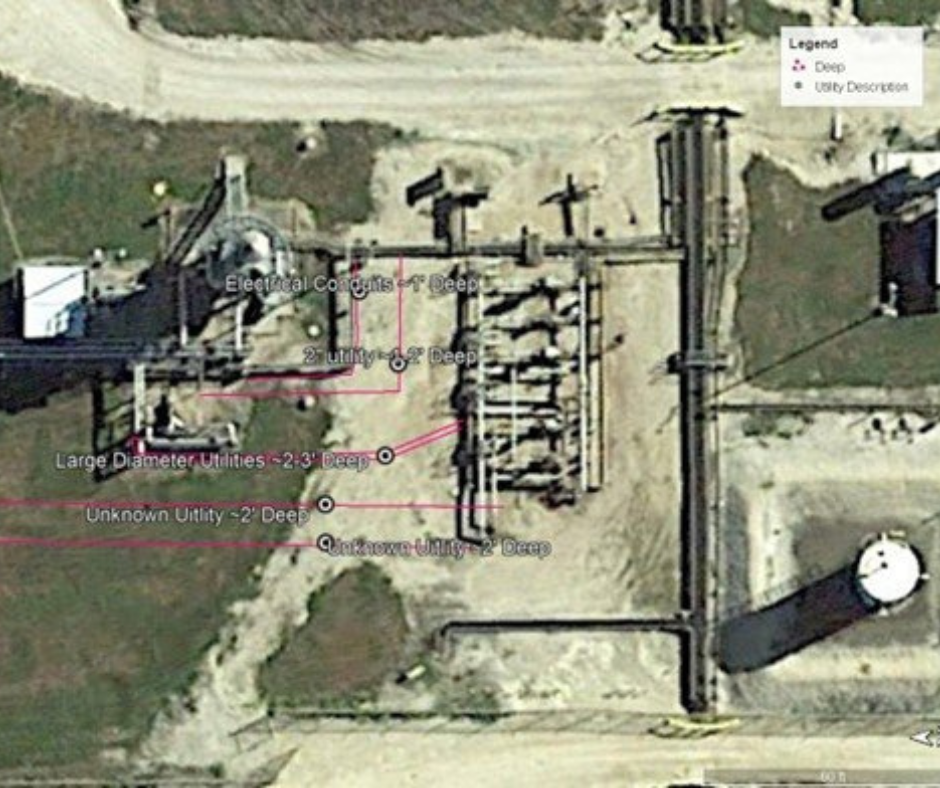
Utility Locating: What You Can’t See Can Hurt Your Project
Utility locating is a process used to identify underground utilities and hidden infrastructure before excavation begins. By detecting buried pipes, conduits, and cables, it helps prevent costly damage, project delays, and serious safety hazards.

Post-Tension Cable Detection: Why GPR is the Safer Way to Scan
Utility locating is a process used to identify underground utilities and hidden infrastructure before excavation begins. By detecting buried pipes, conduits, and cables, it helps prevent costly damage, project delays, and serious safety hazards.
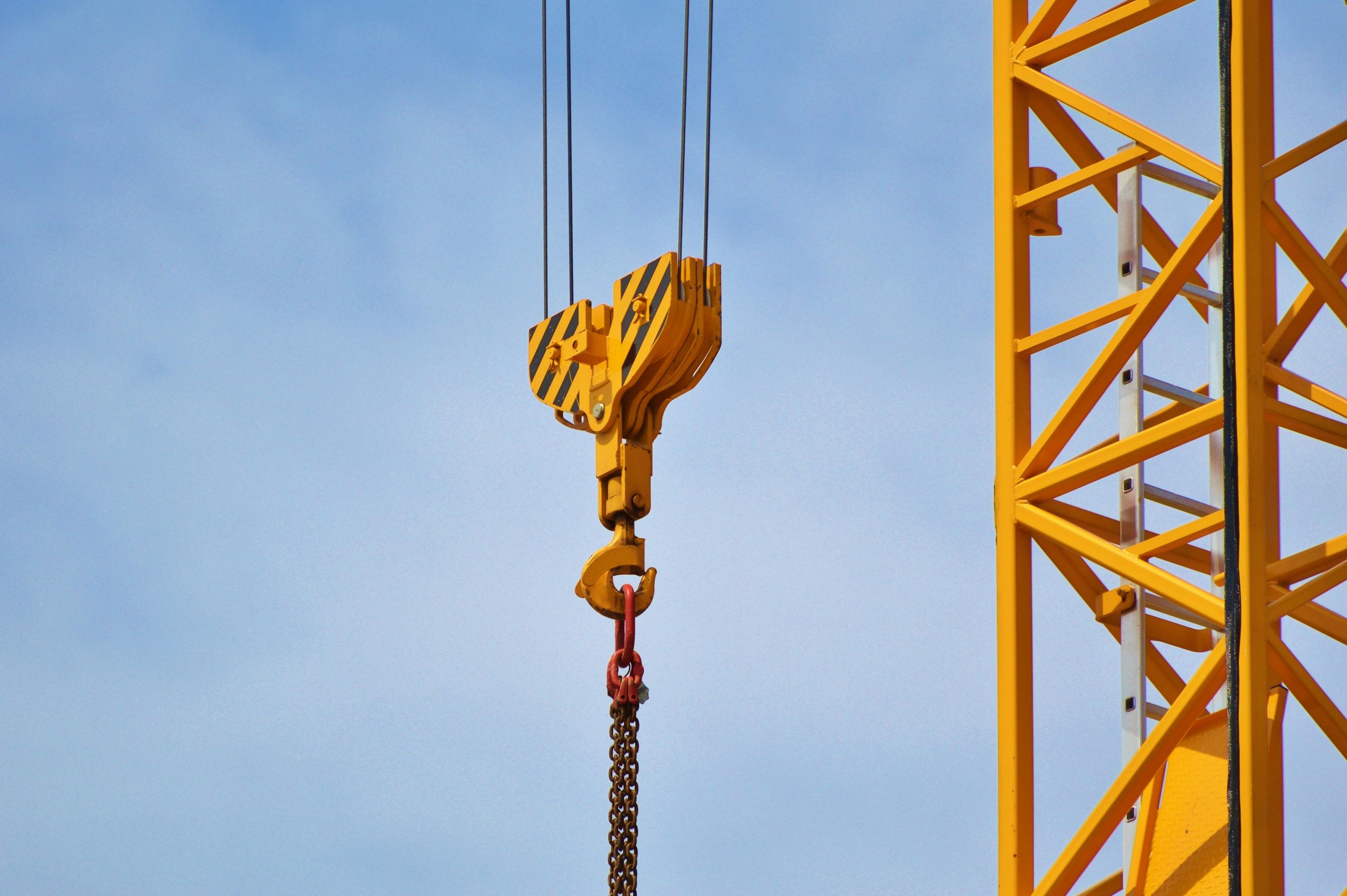
Preventing Crane Collapses: The Critical Role of NDE
Non-destructive evaluation (NDE) is a method used to identify hidden risks that can lead to crane instability and collapse. By detecting subsurface voids, ground instability, and structural concerns, it helps ensure safe lifting operations and prevent costly accidents.
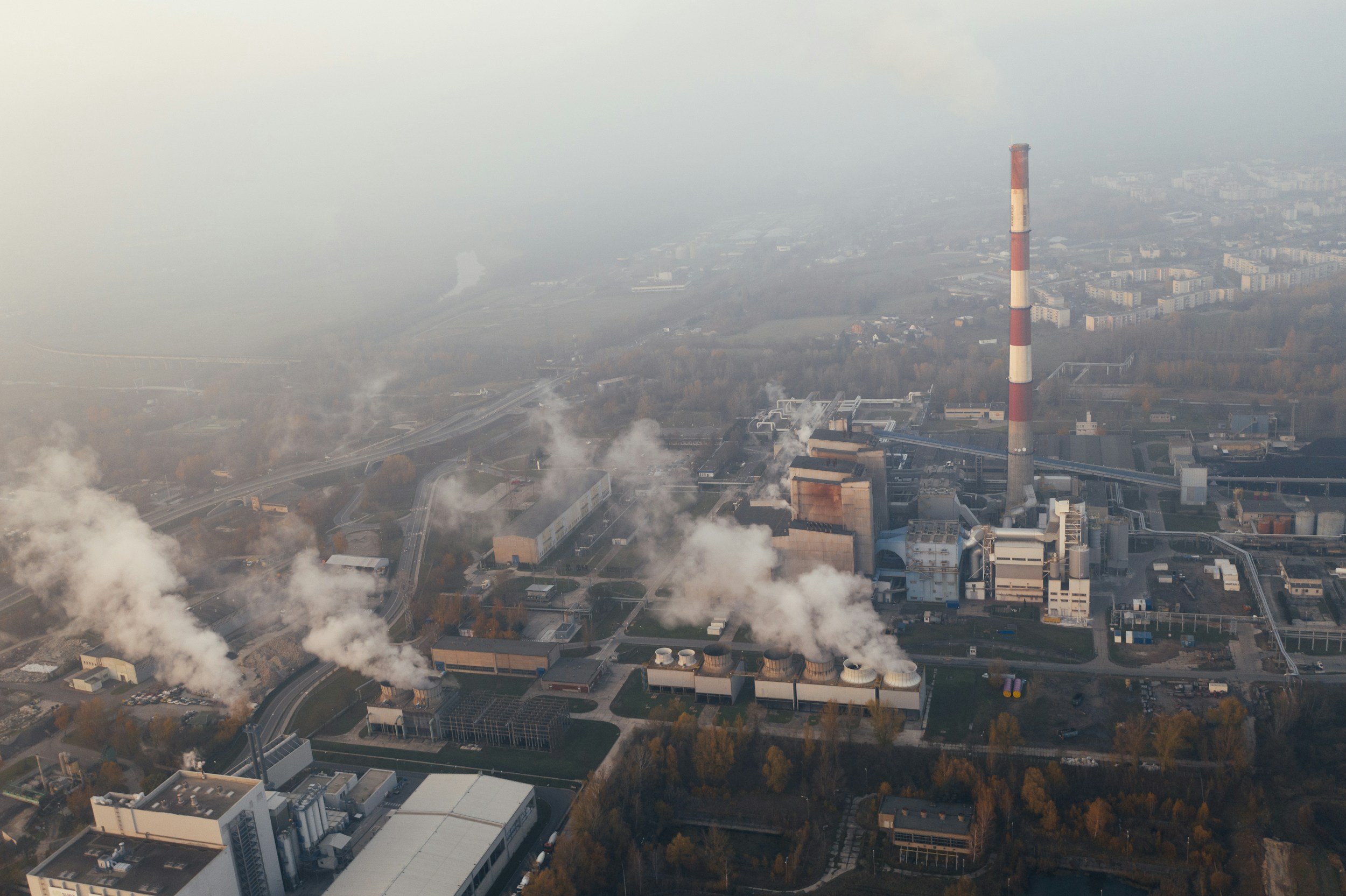
Detecting Contaminants in Construction Sites with NDT
Non-destructive testing (NDT) is a method used to detect contaminants and hidden hazards on construction sites without disrupting the environment. By identifying subsurface anomalies and hazardous materials, it helps prevent exposure, ensure compliance, and support safe project execution.

Ensuring Workplace Safety and Avoiding Contamination on Job Sites: The Role of GPR and NDT
Ground penetrating radar (GPR) and non-destructive testing (NDT) are essential methods for identifying hidden hazards and contamination risks on job sites. By detecting subsurface anomalies and unsafe conditions, these technologies help improve workplace safety, prevent exposure, and support compliant construction practices.
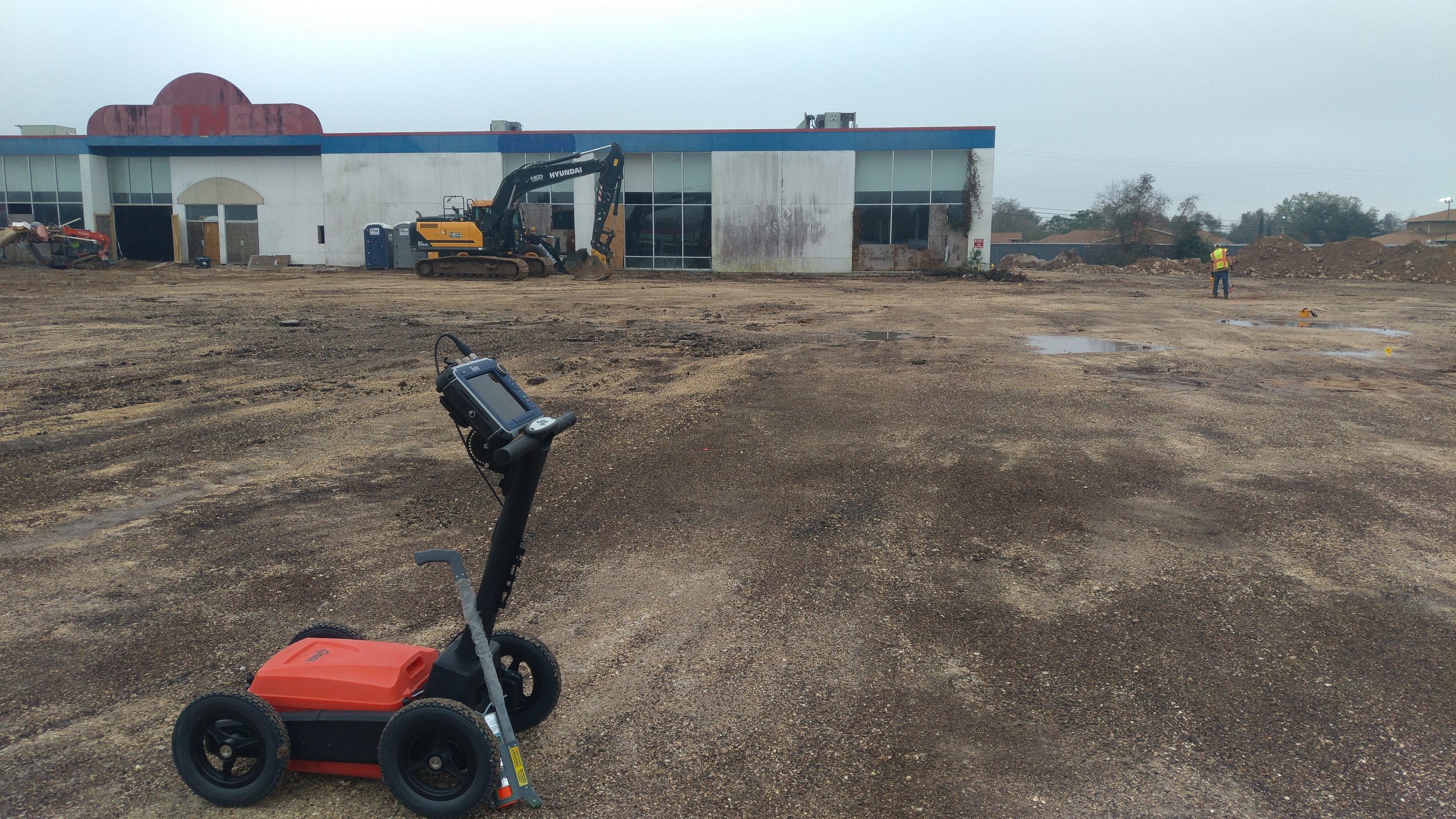
The Power of Ground Penetrating Radar and Tips to Avoid Lawsuits
Ground penetrating radar (GPR) is a non-destructive testing method that uses electromagnetic waves to detect subsurface hazards before construction begins. By identifying utilities, voids, and structural elements, it helps prevent costly mistakes, safety incidents, and potential legal liabilities.
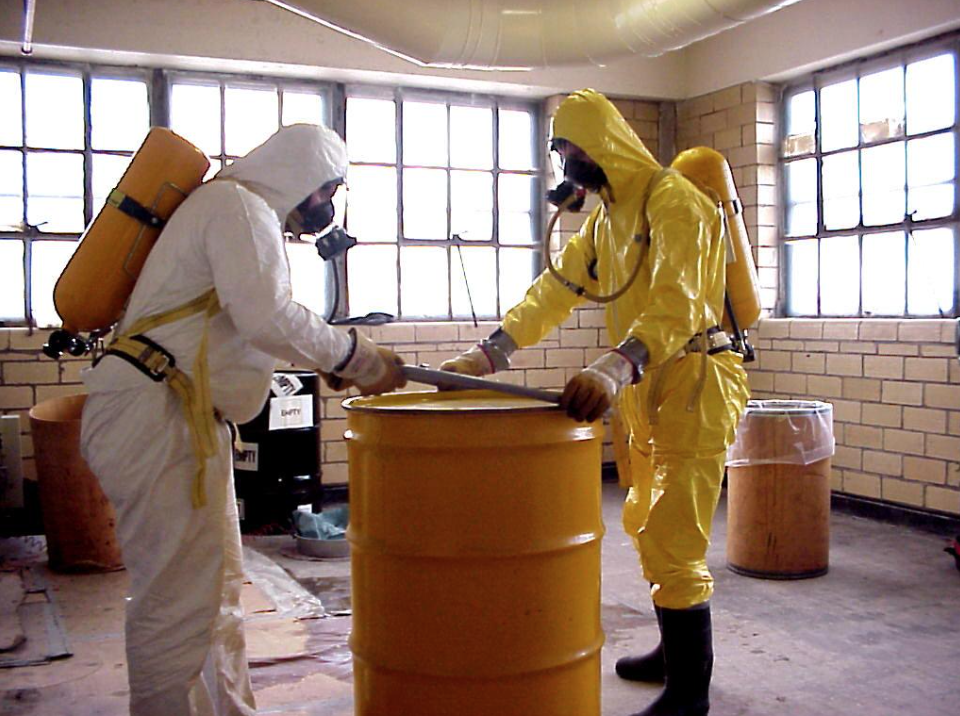
Soil Contamination – Biohazard Recognition
Soil contamination is an environmental concern that can pose serious health and safety risks on construction and industrial sites. By identifying biohazards and hazardous materials, proper testing and assessment methods help prevent exposure, ensure compliance, and support safe site development.