
Residential Concrete Scanning Services
with Ground Penetrating Radar (GPR)
Protect Your Home. Know What’s Beneath the Concrete Before You Cut, Drill
or Renovate.
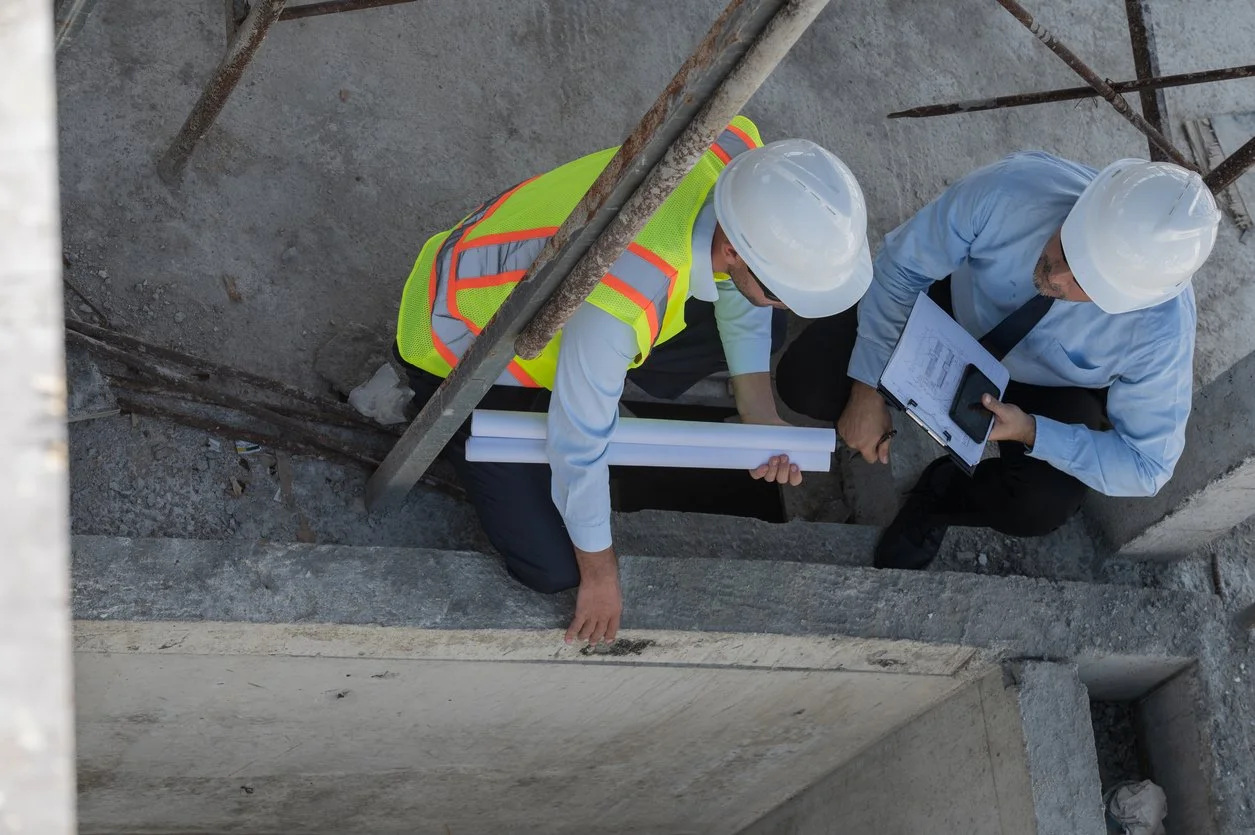
When planning a home renovation, foundation repair, or concrete modification, understanding what lies beneath the surface is essential. Hidden reinforcement, post-tension cables, electrical conduits, plumbing lines, and subsurface voids can create serious safety hazards and costly construction setbacks.
At OmniVueNDT, we provide professional residential concrete scanning services using advanced Ground Penetrating Radar (GPR) technology. Our non-destructive scanning methods help homeowners, contractors, engineers and renovation specialists identify concealed features within concrete structures before drilling, cutting, coring or demolition begins.
Whether you're remodeling a kitchen, installing new plumbing, modifying a foundation or investigating potential voids beneath a concrete slab our experienced technicians provide the subsurface information needed to make informed decisions and minimize construction risks.
Scan Before You Cut. Protect What Matters Most.
What Is Residential Concrete Scanning?
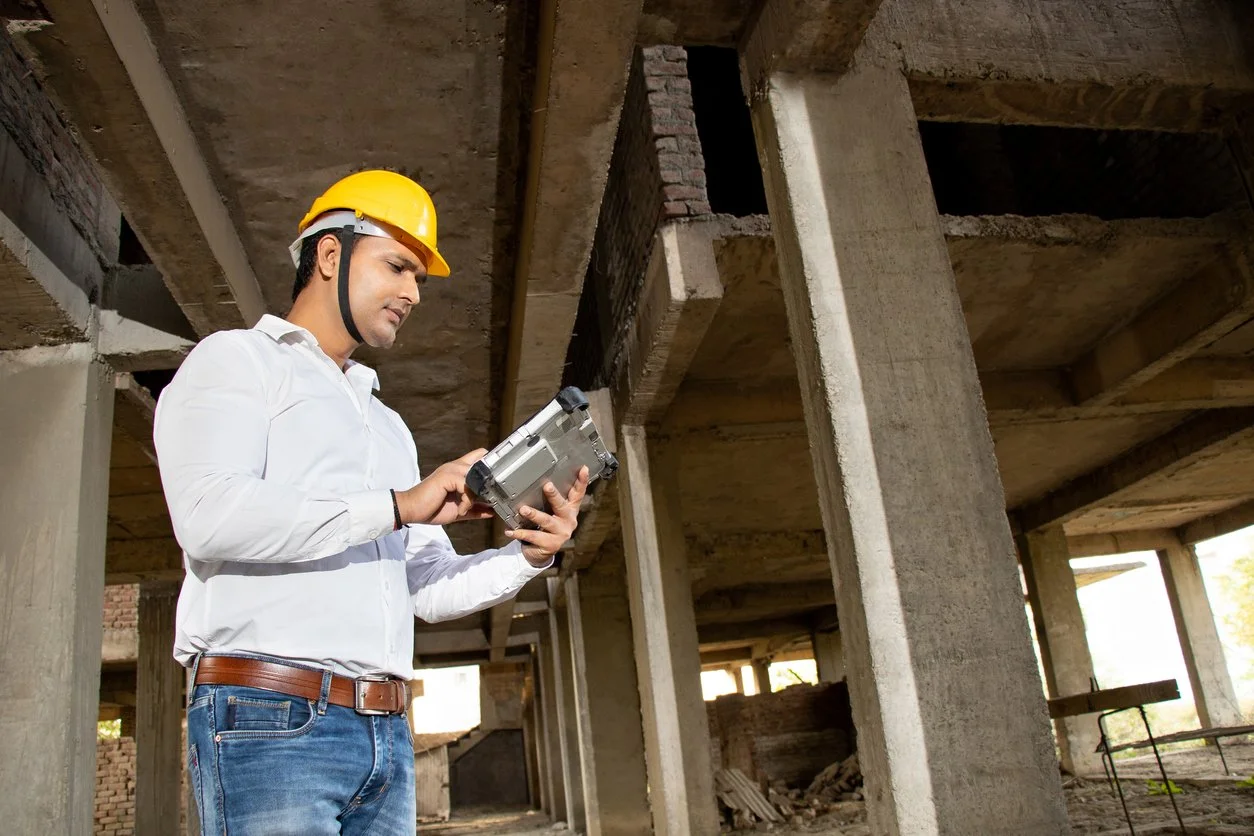
Residential concrete scanning is a non-destructive testing (NDT) method used to investigate concrete slabs, foundations, walls, and other structural elements without damaging the existing structure.
Using specialized GPR equipment, OmniVueNDT transmits electromagnetic signals into concrete and analyzes reflected responses to identify embedded objects and potential anomalies.
Our scanning technology can help locate:
Post-Tension Cables: Identify the approximate location of tensioned steel tendons before drilling or cutting into post-tensioned concrete slabs.
Reinforcing Steel (Rebar): Locate reinforcement embedded within concrete floors, foundations, and structural components.
Electrical Conduits: Detect certain embedded conduits that could present hazards during renovation or demolition.
Plumbing and Embedded Piping: Identify detectable pipes and potential utility pathways concealed within or beneath concrete.
Subsurface Voids: Investigate potential air gaps, soil erosion, washouts, and loss of support beneath concrete slabs.
Concrete Thickness and Structural Features: Assess slab characteristics and identify changes in concrete construction where site conditions permit.
Unlike destructive investigation methods, GPR scanning provides valuable subsurface information without requiring exploratory demolition or unnecessary damage to your property.
OmniVueNDT helps residential contractors and homeowners investigate concrete before:
Relocating kitchen islands and plumbing fixtures
Installing new bathroom drains
Cutting trenches for electrical or plumbing upgrades
Drilling into concrete floors and walls
Modifying existing floor plans
Installing anchors and structural connections
Our GPR scanning services help reduce uncertainty before construction begins.
2. Post-Tension Cable Detection
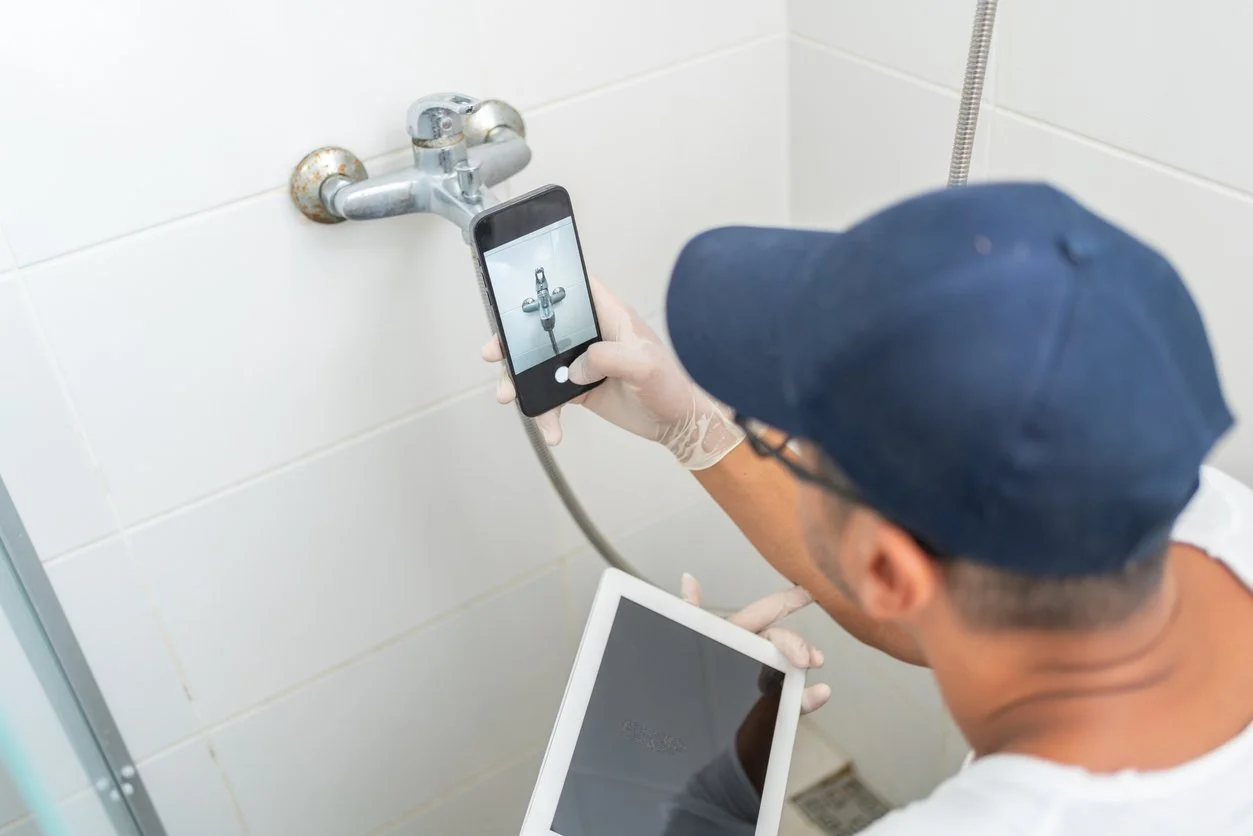
Many residential foundations, particularly in Texas, utilize post-tensioned concrete systems to improve structural performance.
Post-tension cables are placed under significant tension and can present serious hazards if accidentally cut or damaged.
OmniVueNDT uses specialized concrete scanning equipment to identify the approximate position of post-tension tendons and other embedded reinforcement before concrete penetration.
Common applications include:
Residential foundation modifications
Plumbing repairs requiring slab access
Concrete coring and drilling
Floor anchoring and equipment installation
Remodeling projects involving post-tensioned slabs
Identifying potential cable locations before construction helps reduce the risk of accidental damage and supports safer project planning.
3. Residential Foundation and Slab Void Detection
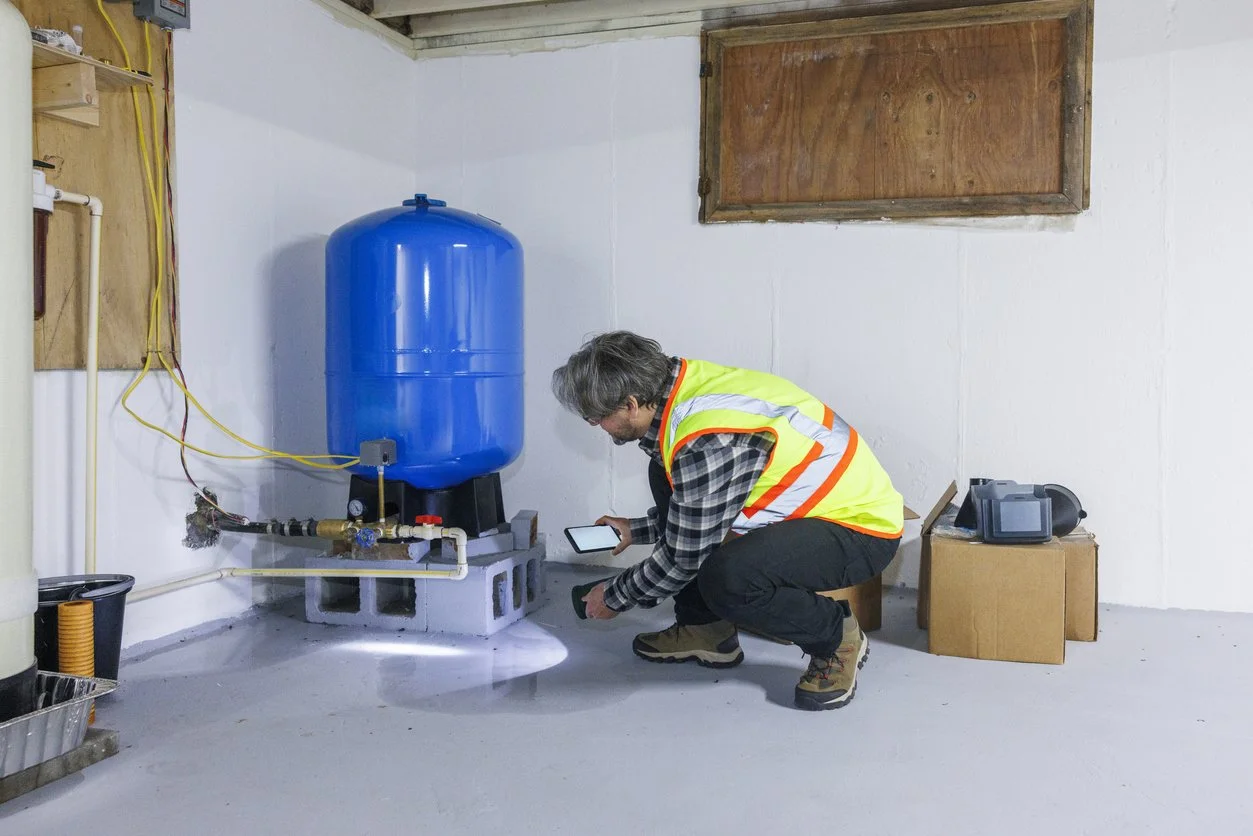
Hidden voids beneath residential concrete slabs may develop because of soil settlement, erosion, water intrusion, or changes in underlying ground conditions.
These conditions can contribute to uneven support and may be associated with cracking, movement, or other foundation concerns.
OmniVueNDT provides GPR-based subsurface investigations to help identify and map potential anomalies beneath accessible concrete surfaces.
Residential applications include:
Investigating suspected voids beneath foundations
Evaluating areas of possible soil settlement
Identifying potential washout zones
Supporting foundation repair investigations
Examining concrete patios, driveways, and garage floors
Providing subsurface data for structural engineers
Our findings help homeowners and engineering professionals better understand subsurface conditions and determine whether additional investigation is necessary.
GPR identifies detectable subsurface anomalies; engineering evaluation or additional testing may be required to confirm their nature and determine structural significance.
4. Plumbing and Utility Investigations
Repairing or replacing plumbing beneath a residential concrete slab often requires cutting or removing sections of concrete.
Before excavation begins, it is important to understand where embedded utilities and reinforcement may be located.
Our GPR concrete scanning services help identify detectable subsurface features that may affect plumbing repairs, utility installations, and concrete trenching.
This information can assist contractors in planning access locations while reducing the likelihood of unnecessary concrete removal.
5. Concrete Scanning for Home Additions and Structural Modifications
Expanding a home, installing new structural supports, or modifying existing concrete requires careful planning.
OmniVueNDT works with residential contractors, architects, and structural engineers to investigate existing concrete conditions before modifications are made.
Our services support:
Home additions and expansions
Structural anchoring
Foundation modifications
Garage conversions
New plumbing and electrical penetrations
Concrete cutting and coring
Structural renovation projects
By identifying concealed reinforcement and potential subsurface hazards, our team helps support more informed construction decisions.
Why Residential Concrete Scanning Matters
Concrete may appear solid and uniform from the surface, but hidden structural elements and subsurface conditions can significantly affect a residential construction project.
Without proper investigation, contractors may encounter unexpected reinforcement, damage embedded utilities, or compromise important structural components.
Professional concrete scanning helps:
Improve Safety: Reduce the risk of accidentally striking post-tension cables, electrical conduits, and other embedded hazards.
Prevent Costly Damage: Identify potential obstructions before cutting or drilling into concrete.
Minimize Project Delays: Provide information that helps contractors plan concrete penetrations and modifications.
Protect Existing Structures: Investigate concealed features without unnecessary destructive testing.
Support Engineering Decisions: Deliver subsurface observations that can assist structural assessments and repair planning.
Reduce Uncertainty: Give homeowners and contractors a clearer understanding of detectable conditions beneath the concrete surface.
A concrete scan before renovation can help avoid costly surprises once construction begins.
Our Residential Concrete Scanning Process
OmniVueNDT follows a systematic approach to residential concrete investigations.
Step 1: Project Consultation
We discuss your renovation, foundation concern, or concrete modification to understand the project objectives and identify areas requiring investigation.
Step 2: On-Site GPR Scanning
Our field technicians use specialized ground penetrating radar equipment to scan accessible concrete surfaces and collect subsurface data.
Step 3: Subsurface Feature Identification
We interpret radar responses to identify detectable reinforcement, embedded utilities, potential voids, and other relevant anomalies.
Step 4: Field Markings and Findings
Where appropriate, identified features are marked on accessible concrete surfaces to help contractors understand potential obstruction locations. Additional documentation can be discussed based on project requirements.
Step 5: Construction Planning Support
Our findings help your contractor or engineer evaluate potential hazards and plan the next steps before drilling, cutting, or structural modifications.
Detection capabilities vary with concrete thickness, reinforcement density, material properties, moisture conditions, access, and equipment configuration. Scanning cannot guarantee identification of every embedded or subsurface feature.
Why Choose OmniVueNDT for Residential Concrete Scanning?
At OmniVueNDT, we combine advanced non-destructive testing technology with practical engineering and geophysical experience to deliver reliable subsurface investigations.
Our multidisciplinary team includes engineers, geophysicists, geologists, and experienced field technicians who understand the importance of identifying concealed hazards before construction.
What sets OmniVueNDT apart:
Advanced GPR Technology: Specialized equipment for investigating concrete structures and subsurface conditions.
Non-Destructive Investigation: Obtain valuable information without unnecessary damage to existing concrete.
Experienced Technical Team: Knowledge of concrete construction, structural reinforcement, and subsurface investigations.
Safety-Focused Approach: Help reduce risks associated with concrete cutting, drilling, and renovation.
Clear, Actionable Findings: Provide practical subsurface information to support construction and engineering decisions.
Residential and Commercial Expertise: Apply experience from complex structural and industrial investigations to residential projects.
From small remodeling projects to complex foundation investigations, OmniVueNDT helps you move forward with greater confidence.
Residential Concrete Scanning in Houston and Dallas, Texas
OmniVueNDT provides professional GPR concrete scanning and subsurface investigation services in the Houston and Dallas, Texas, and other areas.
We work with homeowners, general contractors, plumbers, remodeling specialists, foundation repair companies, and structural engineers who need reliable information before modifying existing concrete.
Whether your project involves a residential foundation, garage slab, driveway, or interior concrete floor, our team can help assess your scanning requirements.
Contact OmniVueNDT to discuss service availability for your residential project.
Frequently Asked Questions About Residential Concrete Scanning
Can GPR detect post-tension cables in residential foundations?
Yes. Ground penetrating radar can often identify post-tension tendons embedded within concrete. Detection depends on site conditions, reinforcement density, slab characteristics, and equipment capabilities. Professional scanning is especially important before drilling or cutting into post-tensioned concrete.
Can concrete scanning locate plumbing beneath my house?
GPR can help identify certain pipes and utility pathways within or beneath concrete, depending on their material, size, depth, and surrounding conditions. Some utilities may not produce a distinguishable radar response, so additional locating methods may be necessary.
Can GPR detect voids beneath a concrete slab?
GPR can identify radar anomalies consistent with possible voids, loss of support, or changes in subsurface materials. However, not every anomaly represents a void, and additional testing may be necessary to confirm conditions.
Will concrete scanning damage my floors or foundation?
No. GPR scanning is a non-destructive investigation method. The equipment operates from the accessible surface without requiring drilling, cutting, or removal of concrete during the scanning process.
Do I need concrete scanning before remodeling my home?
Concrete scanning is strongly recommended when a renovation involves drilling, cutting, coring, or trenching through concrete that may contain structural reinforcement or embedded utilities. It is particularly valuable for homes with post-tensioned foundations.
How long does residential concrete scanning take?
The time required depends on the size of the scanning area, accessibility, concrete construction, and complexity of embedded features. Small, accessible areas may require relatively short site visits, while larger or more complex investigations take longer.
Can concrete scanning determine whether my foundation is structurally sound?
GPR provides information about detectable embedded features and subsurface anomalies, but it does not independently establish the structural adequacy of a foundation. A qualified structural engineer should evaluate structural concerns using the scanning results and other appropriate evidence.
Schedule Your Residential Concrete Scan Today
Know What’s Below Before You Begin.
Whether you're remodeling your home, repairing underground plumbing, investigating foundation concerns, or preparing to cut into concrete, OmniVueNDT provides professional residential concrete scanning services to help reduce risk and protect your investment.
Don't leave hidden conditions to chance. Get the subsurface information you need before construction begins.
Scan Before You Cut. Build With Confidence.
Call OmniVueNDT: 1-800-605-9735
Serving the Houston and Dallas, Texas, areas.
OmniVueNDT — Advanced Subsurface Intelligence for Safer Construction.