

Maximizing Asset Lifespan with Regular NDT Inspections
Non-destructive testing (NDT) is a method used to assess equipment and structures without causing damage or disruption. By identifying defects and deterioration early, it helps extend asset lifespan, reduce failures, and support effective maintenance planning.

Optimizing Facility Maintenance with NDT
Non-destructive testing (NDT) is a method used to assess equipment and structures without causing damage or disruption. By identifying defects and potential failures early, it helps optimize maintenance planning, reduce downtime, and extend the lifespan of critical assets.

Detecting Contaminants in Construction Sites with NDT
Non-destructive testing (NDT) is a method used to detect contaminants and hidden hazards on construction sites without disrupting the environment. By identifying subsurface anomalies and hazardous materials, it helps prevent exposure, ensure compliance, and support safe project execution.

Ensuring Workplace Safety and Avoiding Contamination on Job Sites: The Role of GPR and NDT
Ground penetrating radar (GPR) and non-destructive testing (NDT) are essential methods for identifying hidden hazards and contamination risks on job sites. By detecting subsurface anomalies and unsafe conditions, these technologies help improve workplace safety, prevent exposure, and support compliant construction practices.
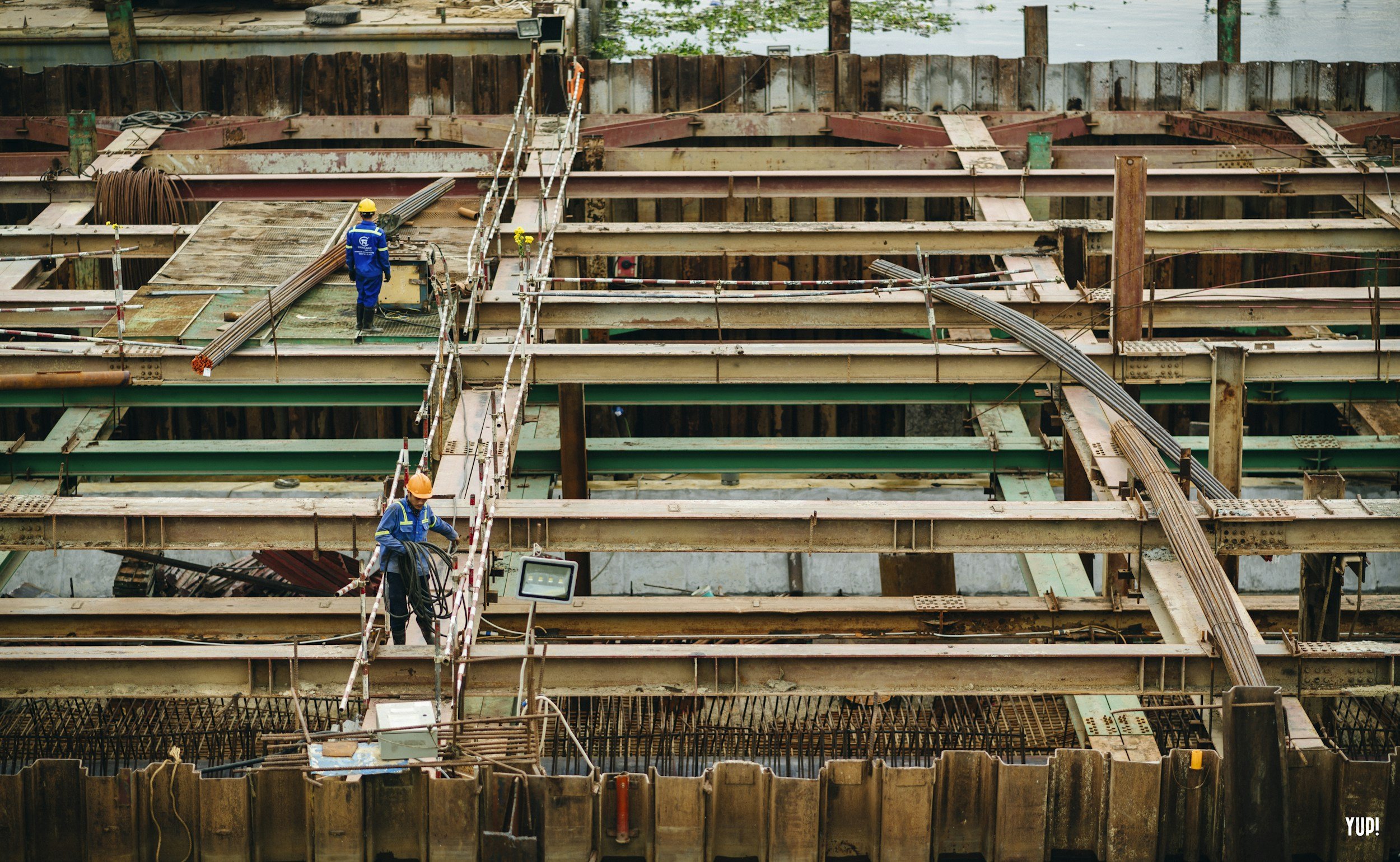
The Future of Non-Destructive Testing: Innovations and Trends
Non-destructive testing (NDT) is evolving with advanced technologies that improve accuracy, efficiency, and data visualization in inspections. By integrating innovations such as 3D scanning, AI analysis, and advanced imaging, NDT continues to transform how industries assess and maintain critical infrastructure.