
Projects and Case Studies
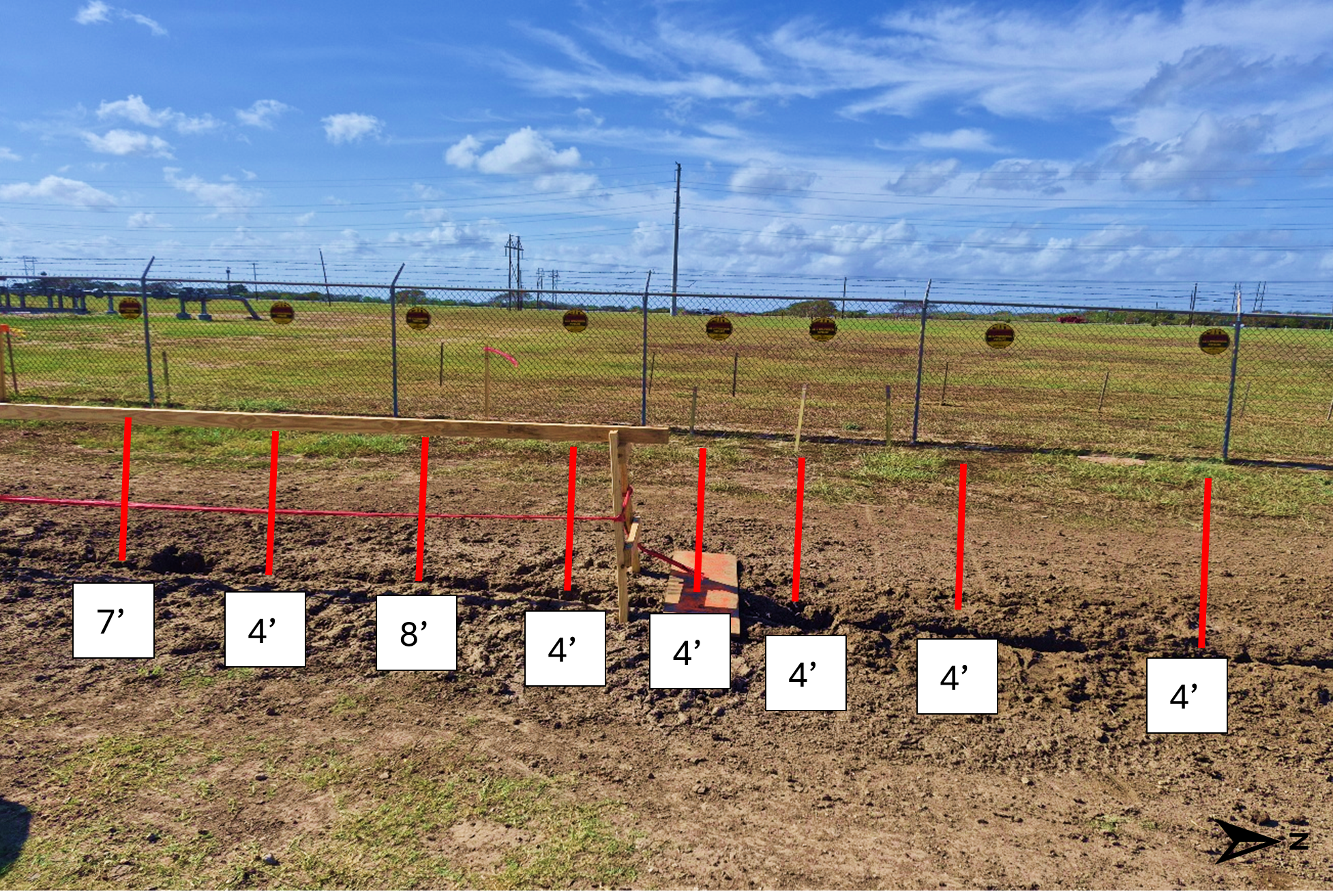
Subsurface Utility Investigation (SUI) at a Major Industrial Facility: Navigating Hidden Risks Below the Surface
OmniVueNDT performed a subsurface utility investigation (SUI) at a major industrial facility to locate underground utilities prior to pipe rack installation. The site contained outdated records and undocumented infrastructure, creating significant risk during excavation. Using GPR and electromagnetic locating methods, buried pipes, conduits, and utilities were accurately identified and mapped. This data allowed the project team to avoid utility strikes, reduce risk, and proceed safely with construction planning.
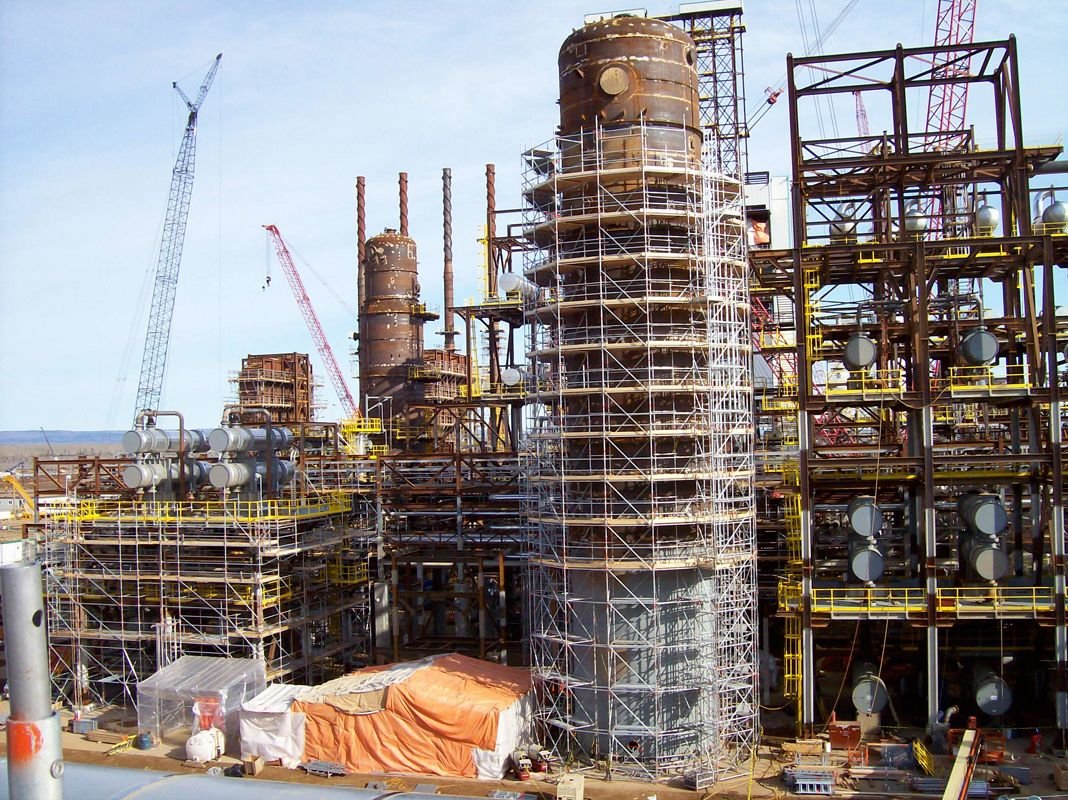
Subsurface Hazard Recognition - Scaffolding
OmniVueNDT performed GPR scanning to identify subsurface hazards beneath scaffolding locations prior to setup. The project focused on detecting voids, unstable ground conditions, and hidden anomalies that could compromise load-bearing capacity and worker safety. Using non-destructive testing methods, accurate subsurface data was provided to support safe scaffolding installation, reduce risk, and ensure stable working conditions in demanding environments.

Cement Silo Condition Assessment Dixon, IL
OmniVueNDT conducted a GPR-based condition assessment of a cement silo in Dixon, IL to evaluate subsurface conditions and structural integrity. The project aimed to identify potential voids and hidden anomalies that could impact the performance and safety of the structure. Using non-destructive testing methods, critical insights were gathered to support maintenance planning, reduce risk, and ensure continued safe operation of the facility.

Mechanical Room 3D Documentation Houston, TX
OmniVueNDT performed 3D laser scanning of a mechanical room in Houston, TX to capture precise existing conditions. The complex layout of piping and equipment required accurate as-built documentation to support engineering design and future modifications. Using high-resolution laser scanning technology, detailed data was collected to improve planning, reduce rework, and ensure efficient project execution.