
Projects and Case Studies

GPR Floor Scanning
OmniVueNDT performed GPR floor scanning to identify embedded elements within a concrete slab prior to construction and renovation activities. The project focused on locating rebar, conduits, and other subsurface features to prevent damage during drilling, coring, and cutting operations. Using non-destructive testing methods, accurate subsurface imaging was provided to enhance safety, reduce risk, and support efficient project execution.

Concrete Scanning With GPR - Documentation in the 21st Century
OmniVueNDT performed concrete scanning using ground penetrating radar (GPR) to deliver advanced documentation of subsurface conditions. The project focused on capturing accurate data on embedded elements such as rebar, conduits, and other structural components. By utilizing non-destructive testing methods, OmniVueNDT provided enhanced visualization and documentation to support precise planning, reduce risk, and improve overall construction efficiency.

Agriculture GPR - Drainage Tile Mapping
OmniVueNDT utilized ground penetrating radar (GPR) to perform drainage tile mapping for agricultural applications. The project focused on accurately locating subsurface drainage systems to support effective land management and optimize field performance. Using non-destructive testing methods, detailed subsurface data was collected to help identify tile layouts, improve drainage efficiency, and support informed decision-making for agricultural operations.
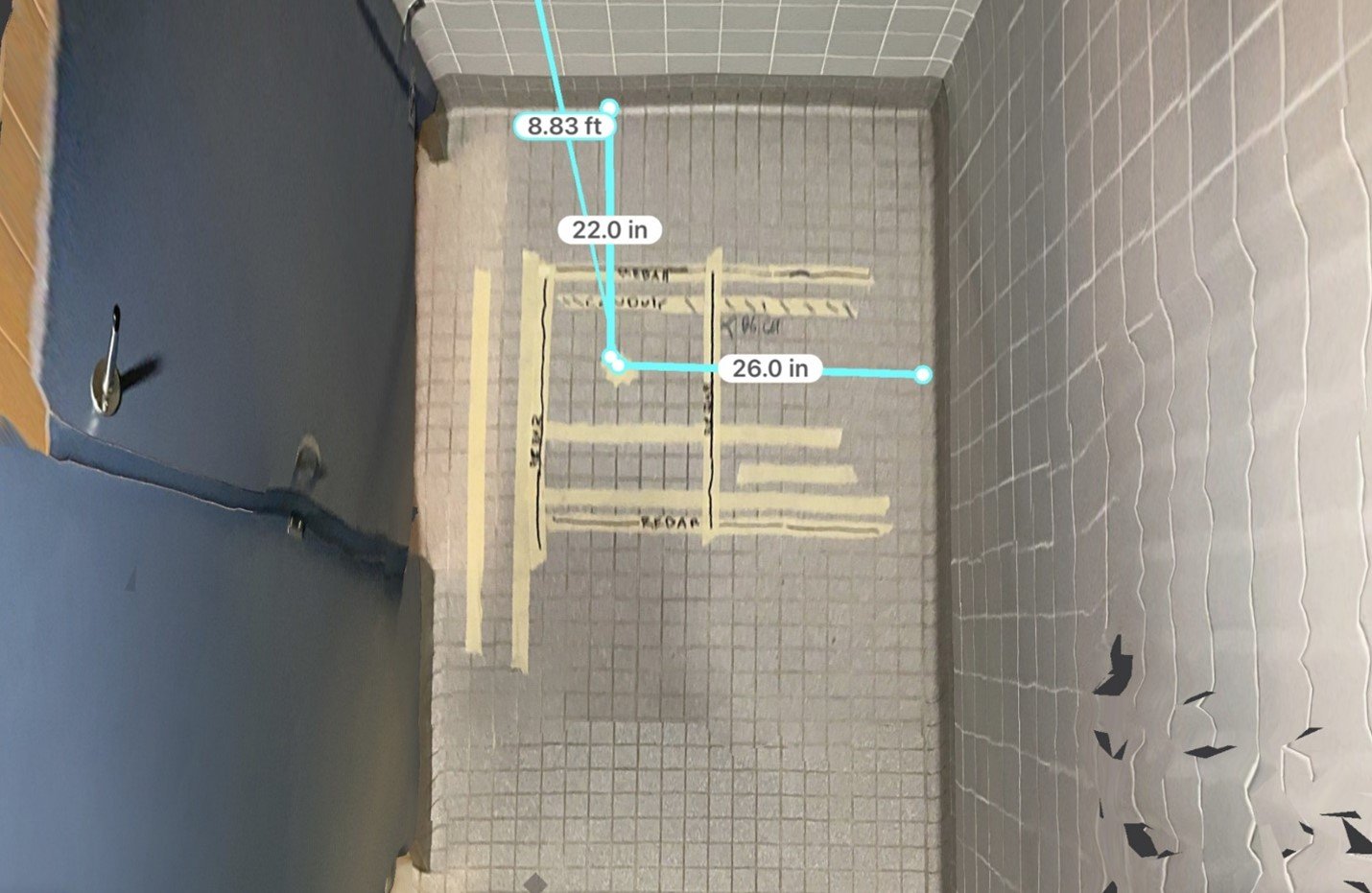
Core Location Scanning and Documentation, “23rd Century Style”
OmniVueNDT performed core location scanning and documentation using ground penetrating radar (GPR) to accurately identify subsurface features within a concrete structure. The project focused on providing precise data for core drilling locations while minimizing risk to embedded elements such as rebar and conduits. Using non-destructive testing methods, detailed subsurface imaging was delivered to improve accuracy, enhance documentation, and support efficient and safe construction practices.
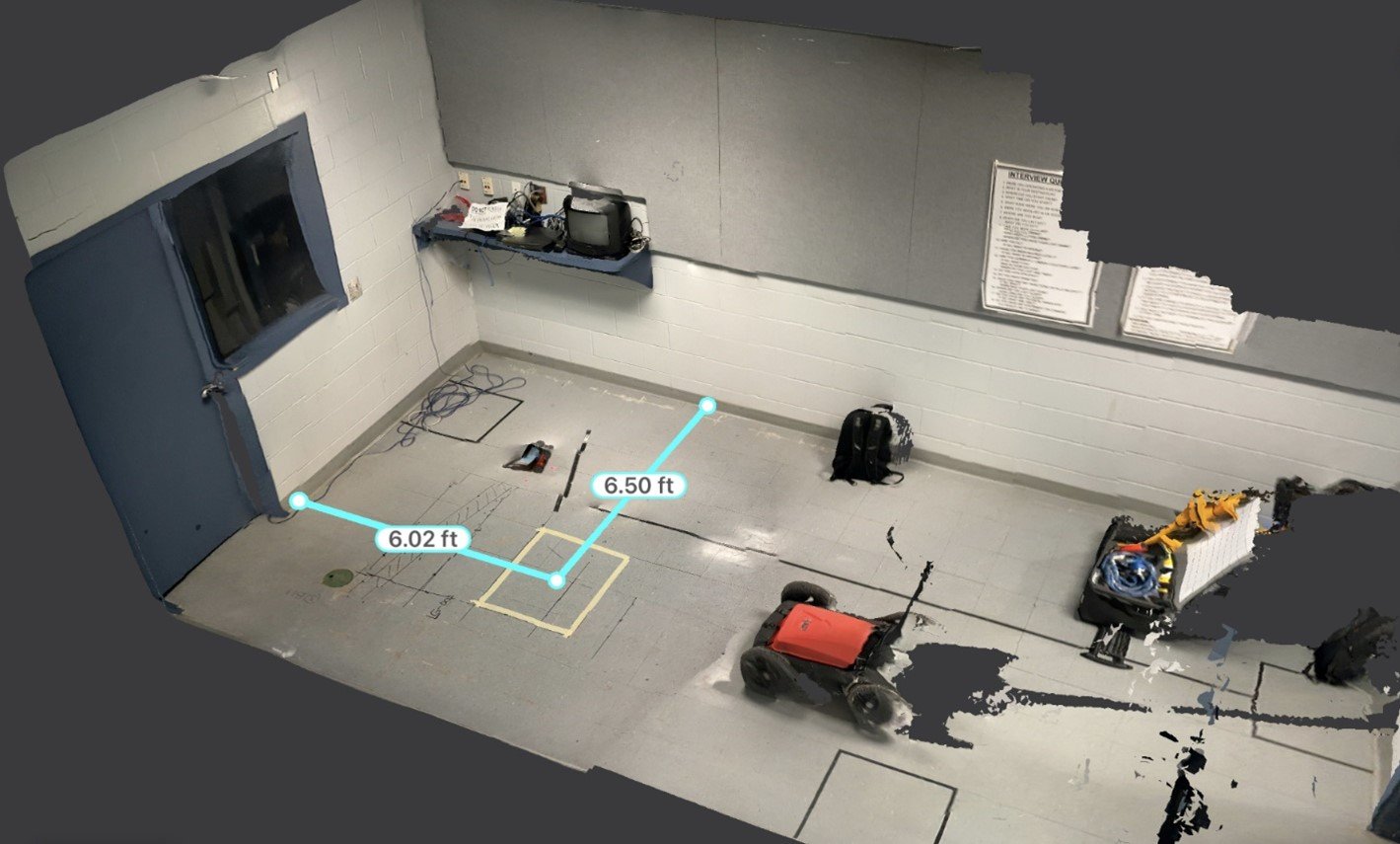
Documentation in a Different Way
OmniVueNDT provided innovative project documentation using advanced ground penetrating radar (GPR) and imaging technologies to capture both subsurface and structural data. The project focused on delivering a more comprehensive and visual representation of existing conditions to support engineering and construction decisions. By utilizing non-destructive testing methods, OmniVueNDT enhanced data clarity, improved communication, and enabled more informed project planning.

Project Engineering Support
OmniVueNDT provided project engineering support using ground penetrating radar (GPR) and non-destructive testing (NDT) methods to deliver accurate subsurface data. The project focused on assisting engineers with critical information needed for planning, design, and execution. By utilizing advanced imaging and inspection technologies, OmniVueNDT helped reduce uncertainty, improve decision-making, and support safe and efficient project outcomes.
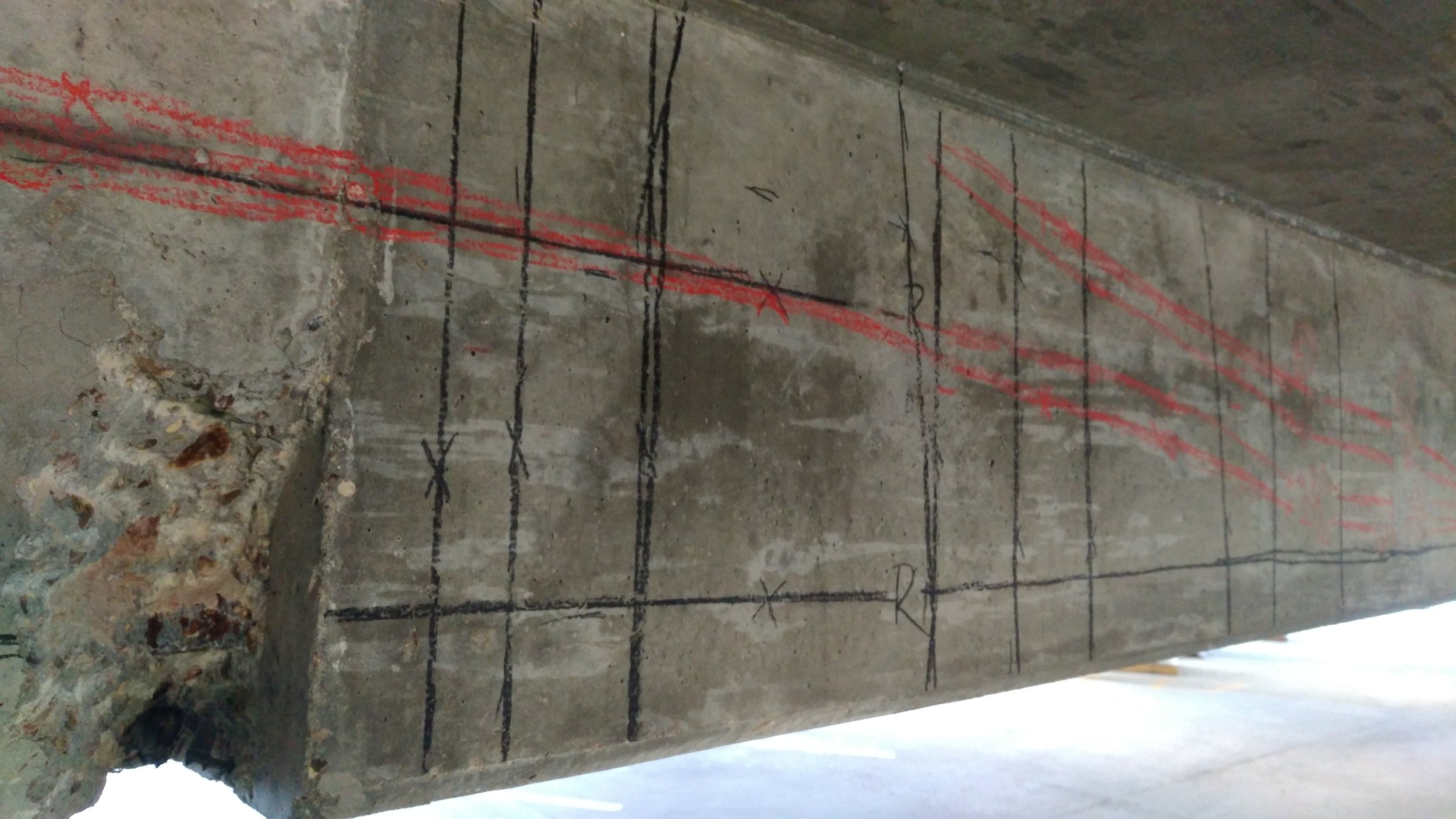
Post Tension Cable Project #2
OmniVueNDT utilized ground penetrating radar (GPR) to detect post-tension cables within a concrete structure prior to construction activities. The project required accurate identification of embedded cables to avoid damage during cutting, coring, and drilling operations. Through non-destructive testing methods, precise subsurface data was provided to improve safety, minimize risk, and support efficient project execution.

Reverse Engineering with GPR (Ground Penetrating Radar)
OmniVueNDT utilized ground penetrating radar (GPR) to support reverse engineering efforts by identifying subsurface structures and embedded elements within existing construction. The project required accurate data to understand unknown conditions and support design, modification, or analysis of the structure. Using non-destructive testing methods, detailed subsurface imaging was provided to improve planning, reduce uncertainty, and enable informed engineering decisions.

Honoring Our Ancestries – Graveyards Investigations with GPR
OmniVueNDT utilized ground penetrating radar (GPR) to conduct graveyard investigations, identifying unmarked graves and subsurface features with precision and care. The project required a non-invasive approach to preserve the integrity of the site while providing accurate subsurface data. Using non-destructive testing methods, OmniVueNDT supported responsible land development, historical preservation, and informed decision-making with respect for cultural and ancestral significance.
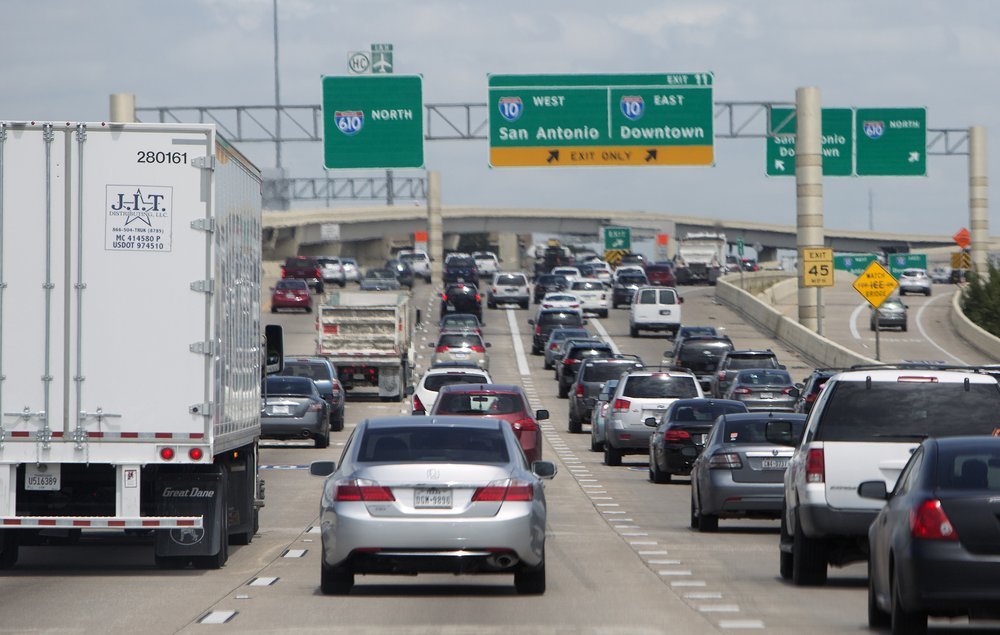
State of the Art Quality Control – Road Construction
OmniVueNDT utilized GPR scanning to support quality control in road construction by evaluating subsurface conditions and material consistency. The project focused on verifying underlying layers and identifying potential anomalies that could impact pavement performance. Using non-destructive testing methods, accurate data was collected to improve construction quality, enhance durability, and support informed decision-making throughout the project lifecycle.
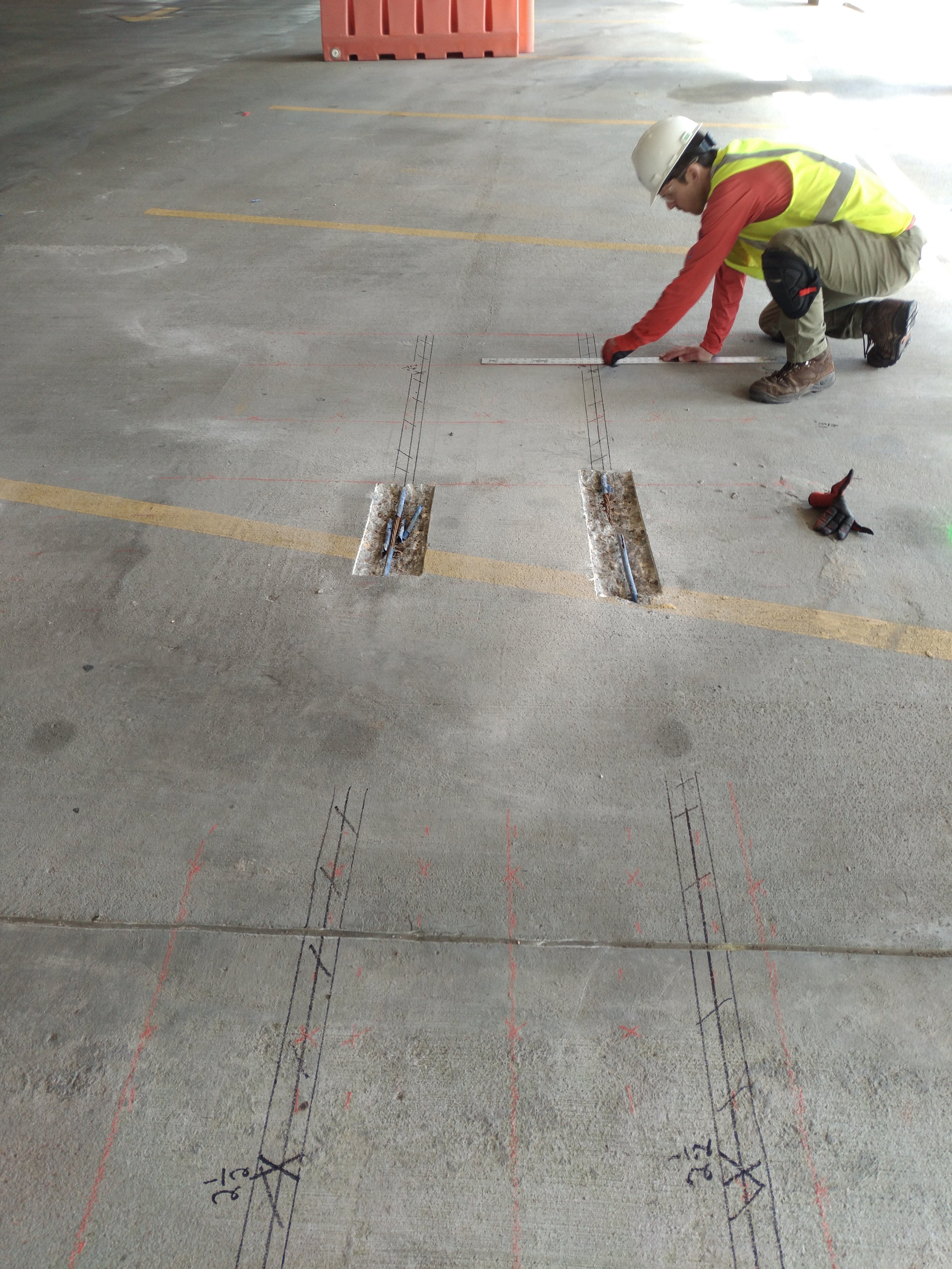
GPR Scanning for Risk Mitigation on Existing Structures
OmniVueNDT provides GPR scanning services to support risk mitigation on existing structures by identifying hidden subsurface conditions before construction activities begin. Undetected hazards such as voids, rebar, post-tension cables, and buried utilities can lead to costly damage, delays, and safety risks. Using non-destructive testing methods, OmniVueNDT delivers accurate subsurface imaging that enables safer drilling, coring, and load placement while improving overall project planning and execution.

McGhee Tyson Airport Knoxville, TN
OmniVueNDT performed GPR scanning at McGhee Tyson Airport in Knoxville, TN to assess subsurface conditions in a critical infrastructure environment. The project required accurate identification of underground features to support safe construction activities while minimizing disruption to airport operations. Using non-destructive testing methods, reliable subsurface data was collected to reduce risk, improve planning, and ensure safe execution in a high-traffic operational setting.