
Projects and Case Studies

Honoring Our Ancestries – Graveyards Investigations with GPR
OmniVueNDT utilized ground penetrating radar (GPR) to conduct graveyard investigations, identifying unmarked graves and subsurface features with precision and care. The project required a non-invasive approach to preserve the integrity of the site while providing accurate subsurface data. Using non-destructive testing methods, OmniVueNDT supported responsible land development, historical preservation, and informed decision-making with respect for cultural and ancestral significance.

Precast Wall Scanning
OmniVueNDT performed GPR scanning on precast wall elements to accurately locate embedded components such as rebar, conduits, and other structural features. The project required precise subsurface imaging prior to cutting, coring, or modification to prevent damage and maintain structural integrity. Using non-destructive testing methods, detailed data was provided to support safe construction practices, reduce risk, and improve project efficiency.

What is underneath your foundation?
OmniVueNDT provides GPR-based ground quality assessments to evaluate subsurface conditions beneath building foundations. Hidden issues such as voids, soil instability, and subsurface anomalies can compromise structural integrity if left undetected. Using non-destructive testing methods, OmniVueNDT delivers accurate subsurface imaging to support safe construction, prevent foundation-related issues, and ensure long-term performance.
State of the Art Quality Control – Road Construction
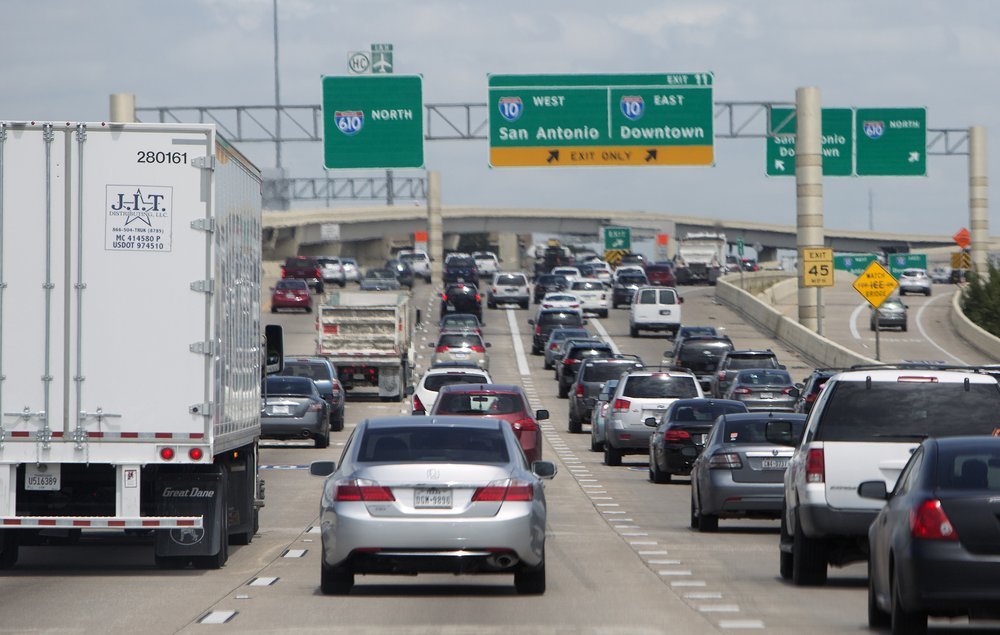
OmniVueNDT utilized GPR scanning to support quality control in road construction by evaluating subsurface conditions and material consistency. The project focused on verifying underlying layers and identifying potential anomalies that could impact pavement performance. Using non-destructive testing methods, accurate data was collected to improve construction quality, enhance durability, and support informed decision-making throughout the project lifecycle.

Concrete Spillway Condition Assessment with GPR
OmniVueNDT performed a GPR-based condition assessment of a concrete spillway to evaluate subsurface conditions and identify potential voids or anomalies. The project focused on detecting hidden issues that could compromise structural integrity and lead to erosion or failure. Using non-destructive testing methods, accurate subsurface data was collected to support maintenance planning, mitigate risk, and ensure the long-term performance and safety of the structure.

Subsurface Condition Assessment - Crane Placement
OmniVueNDT performed a GPR-based subsurface condition assessment to evaluate ground conditions prior to crane placement. The project focused on identifying potential voids and areas of instability beneath crane pad and outrigger locations that could compromise load-bearing capacity. Using non-destructive testing methods, accurate subsurface data was collected to support safe lifting operations, reduce risk, and ensure proper planning for heavy equipment placement.
GPR Scanning for Risk Mitigation on Existing Structures
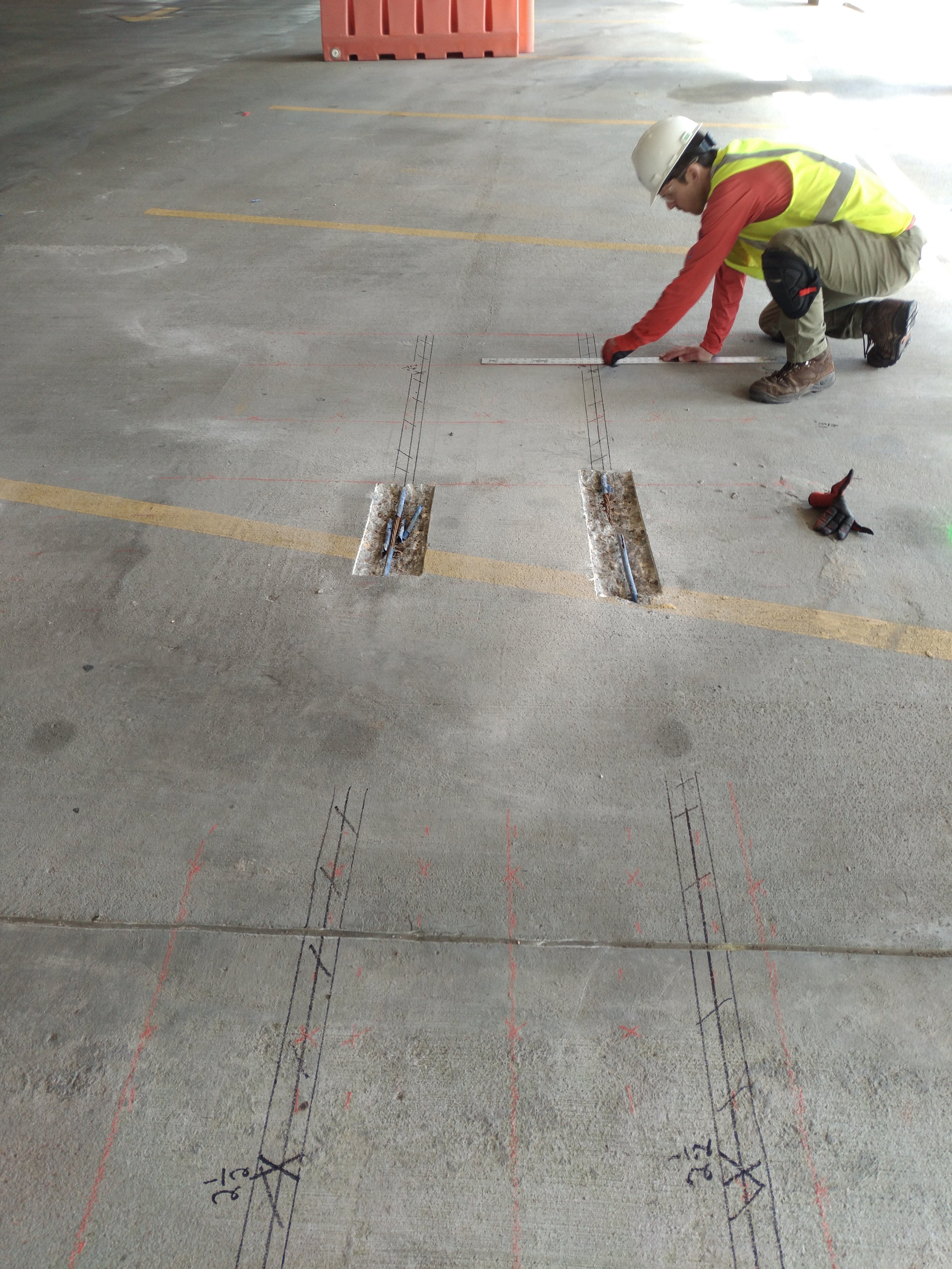
OmniVueNDT provides GPR scanning services to support risk mitigation on existing structures by identifying hidden subsurface conditions before construction activities begin. Undetected hazards such as voids, rebar, post-tension cables, and buried utilities can lead to costly damage, delays, and safety risks. Using non-destructive testing methods, OmniVueNDT delivers accurate subsurface imaging that enables safer drilling, coring, and load placement while improving overall project planning and execution.

McGhee Tyson Airport Knoxville, TN
OmniVueNDT performed GPR scanning at McGhee Tyson Airport in Knoxville, TN to assess subsurface conditions in a critical infrastructure environment. The project required accurate identification of underground features to support safe construction activities while minimizing disruption to airport operations. Using non-destructive testing methods, reliable subsurface data was collected to reduce risk, improve planning, and ensure safe execution in a high-traffic operational setting.

Radiant Heating Tube System Imaging Houston, TX Residential
OmniVueNDT performed GPR scanning to locate radiant heating tubes within a residential property in Houston, TX. The project required accurate mapping of the embedded tubing system prior to renovation and drilling activities to prevent accidental damage. Using non-destructive testing methods, precise subsurface imaging was provided, allowing for safe modifications and protecting the integrity of the heating system.

Rebar Layout Mapping Humble, TX
OmniVueNDT performed GPR-based rebar layout mapping in Humble, TX to accurately locate reinforcement within a concrete structure. The project required precise identification of rebar placement prior to coring, cutting, and drilling activities to prevent structural damage. Using non-destructive testing methods, the team provided clear subsurface imaging to support safe construction practices, reduce risk, and improve project efficiency.

Cement Silo Condition Assessment Dixon, IL
OmniVueNDT conducted a GPR-based condition assessment of a cement silo in Dixon, IL to evaluate subsurface conditions and structural integrity. The project aimed to identify potential voids and hidden anomalies that could impact the performance and safety of the structure. Using non-destructive testing methods, critical insights were gathered to support maintenance planning, reduce risk, and ensure continued safe operation of the facility.

Mechanical Room 3D Documentation Houston, TX
OmniVueNDT performed 3D laser scanning of a mechanical room in Houston, TX to capture precise existing conditions. The complex layout of piping and equipment required accurate as-built documentation to support engineering design and future modifications. Using high-resolution laser scanning technology, detailed data was collected to improve planning, reduce rework, and ensure efficient project execution.

Subsurface Condition Assessment, Syncrude Refinery Canada, AB
A mobile crane collapse occurred due to an undetected underground void beneath the crane pad. No GPR scanning or subsurface assessment was performed prior to lifting operations. Proper scanning of outrigger locations and load-bearing capacity evaluation could have identified the risk and prevented failure.