
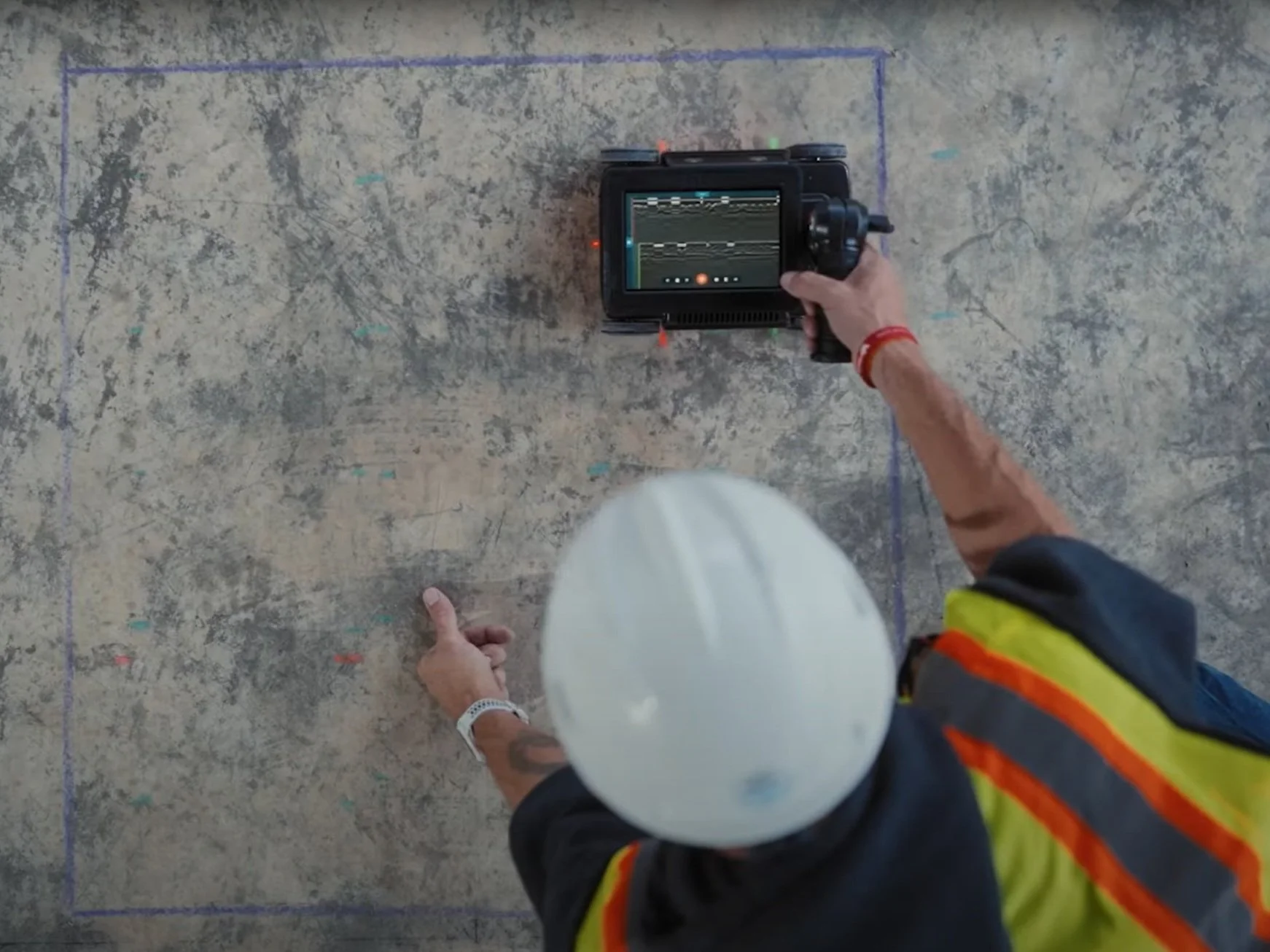
How Ground Penetrating Radar (GPR) Works: A Complete Guide for Construction and Engineering Professionals
Ground Penetrating Radar (GPR) is a powerful non-destructive testing method used to detect subsurface features such as rebar, utilities, voids, and soil anomalies. By using high-frequency electromagnetic waves, GPR provides real-time imaging that helps engineers and contractors reduce risk, improve safety, and make informed decisions before construction begins.
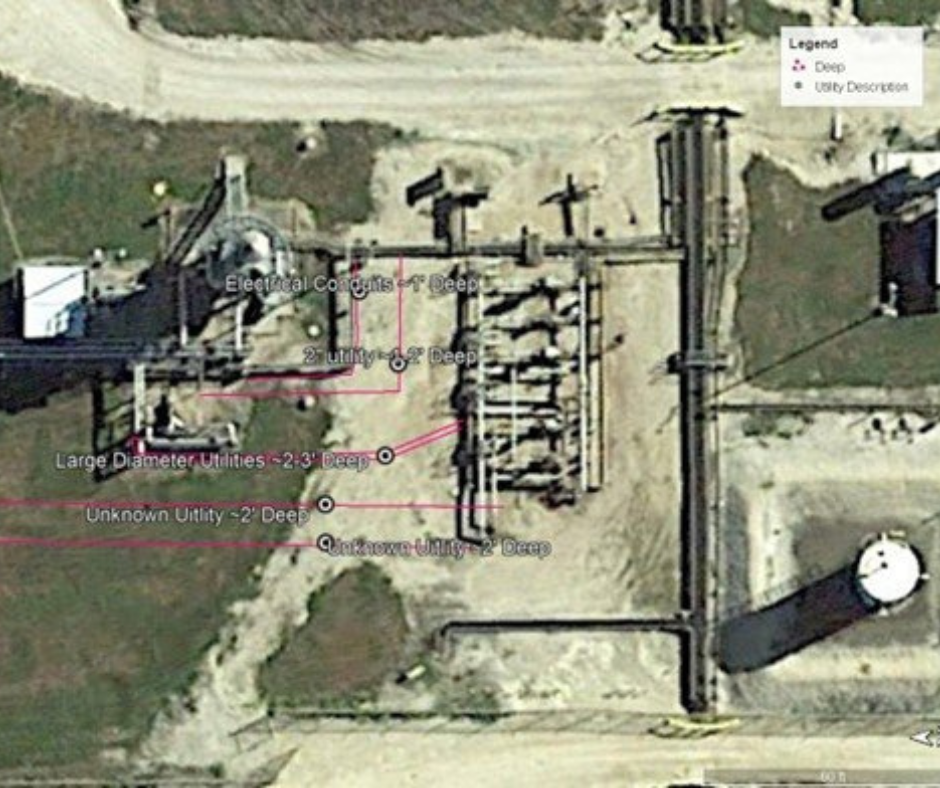
Utility Locating: What You Can’t See Can Hurt Your Project
Utility locating is a process used to identify underground utilities and hidden infrastructure before excavation begins. By detecting buried pipes, conduits, and cables, it helps prevent costly damage, project delays, and serious safety hazards.
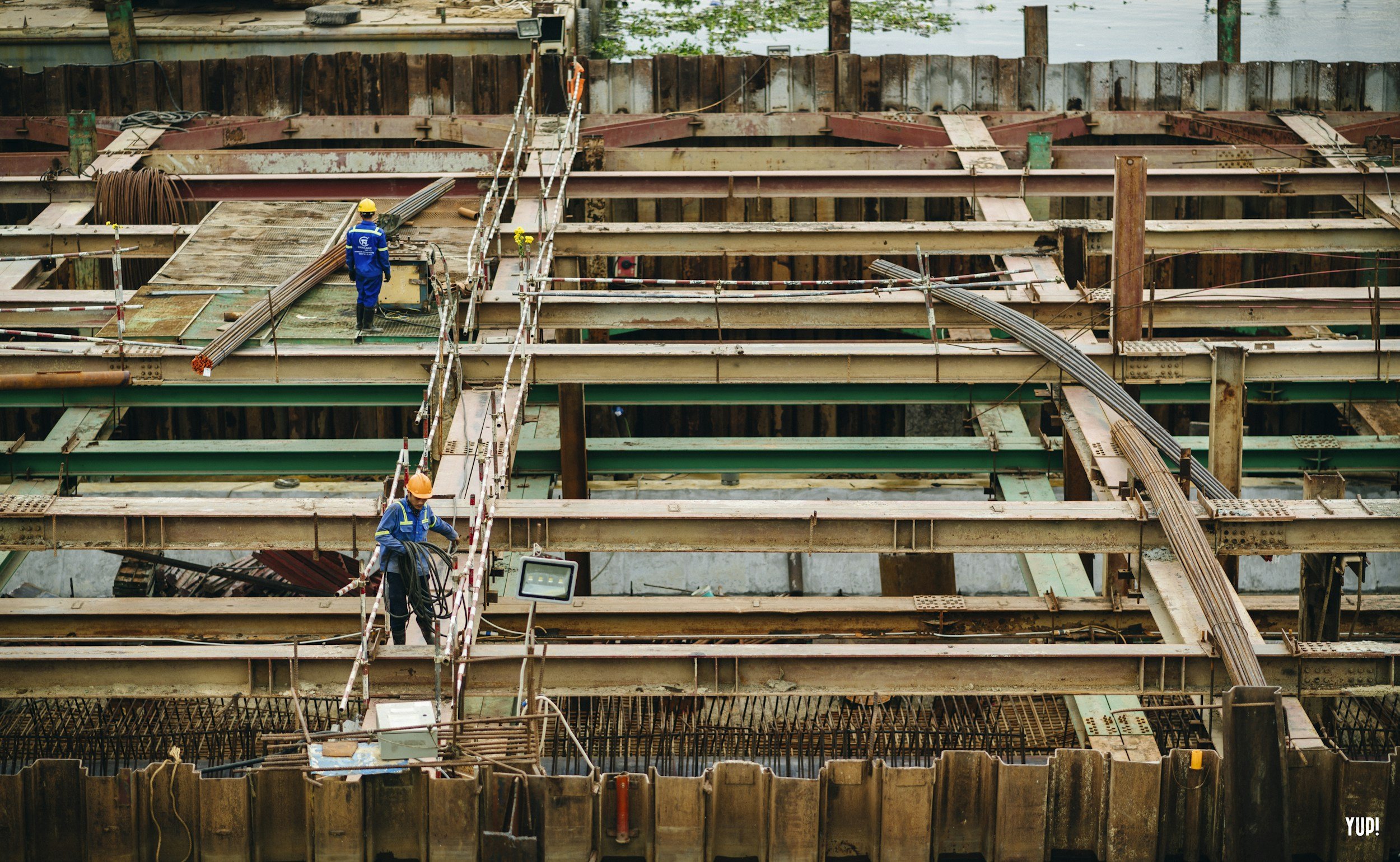
The Future of Non-Destructive Testing: Innovations and Trends
Non-destructive testing (NDT) is evolving with advanced technologies that improve accuracy, efficiency, and data visualization in inspections. By integrating innovations such as 3D scanning, AI analysis, and advanced imaging, NDT continues to transform how industries assess and maintain critical infrastructure.
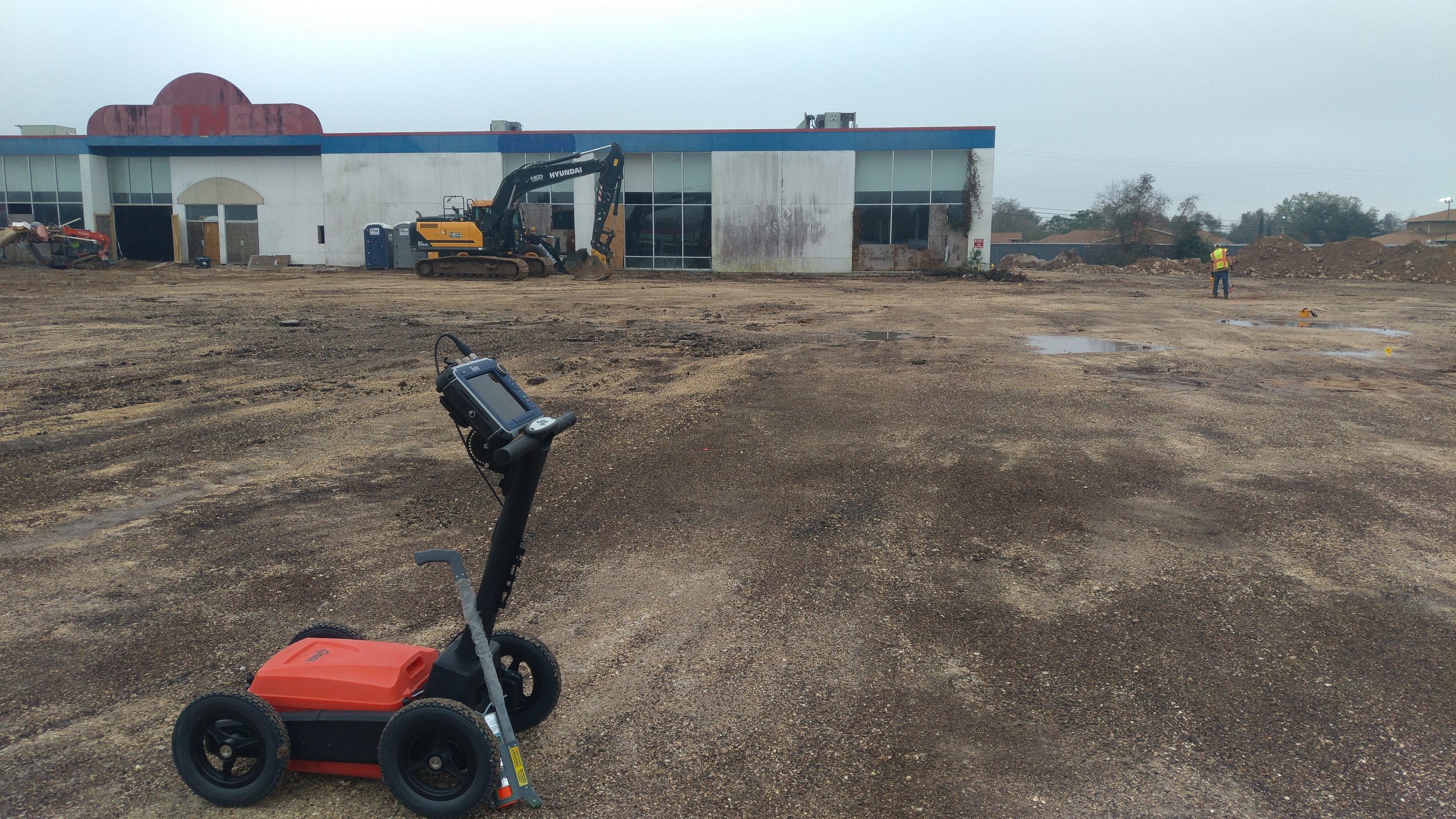
The Power of Ground Penetrating Radar and Tips to Avoid Lawsuits
Ground penetrating radar (GPR) is a non-destructive testing method that uses electromagnetic waves to detect subsurface hazards before construction begins. By identifying utilities, voids, and structural elements, it helps prevent costly mistakes, safety incidents, and potential legal liabilities.