
Projects and Case Studies

GPR Floor Scanning
OmniVueNDT performed GPR floor scanning to identify embedded elements within a concrete slab prior to construction and renovation activities. The project focused on locating rebar, conduits, and other subsurface features to prevent damage during drilling, coring, and cutting operations. Using non-destructive testing methods, accurate subsurface imaging was provided to enhance safety, reduce risk, and support efficient project execution.

Grade Beam Identifications - Residential Project
OmniVueNDT performed GPR scanning to identify grade beam locations within a residential structure prior to construction and modification activities. The project required accurate mapping of structural elements to prevent damage during drilling, cutting, and renovation work. Using non-destructive testing methods, precise subsurface data was provided to support safe construction practices, reduce risk, and ensure the integrity of the foundation system.

Concrete Scanning With GPR - Documentation in the 21st Century
OmniVueNDT performed concrete scanning using ground penetrating radar (GPR) to deliver advanced documentation of subsurface conditions. The project focused on capturing accurate data on embedded elements such as rebar, conduits, and other structural components. By utilizing non-destructive testing methods, OmniVueNDT provided enhanced visualization and documentation to support precise planning, reduce risk, and improve overall construction efficiency.
Core Location Scanning and Documentation, “23rd Century Style”
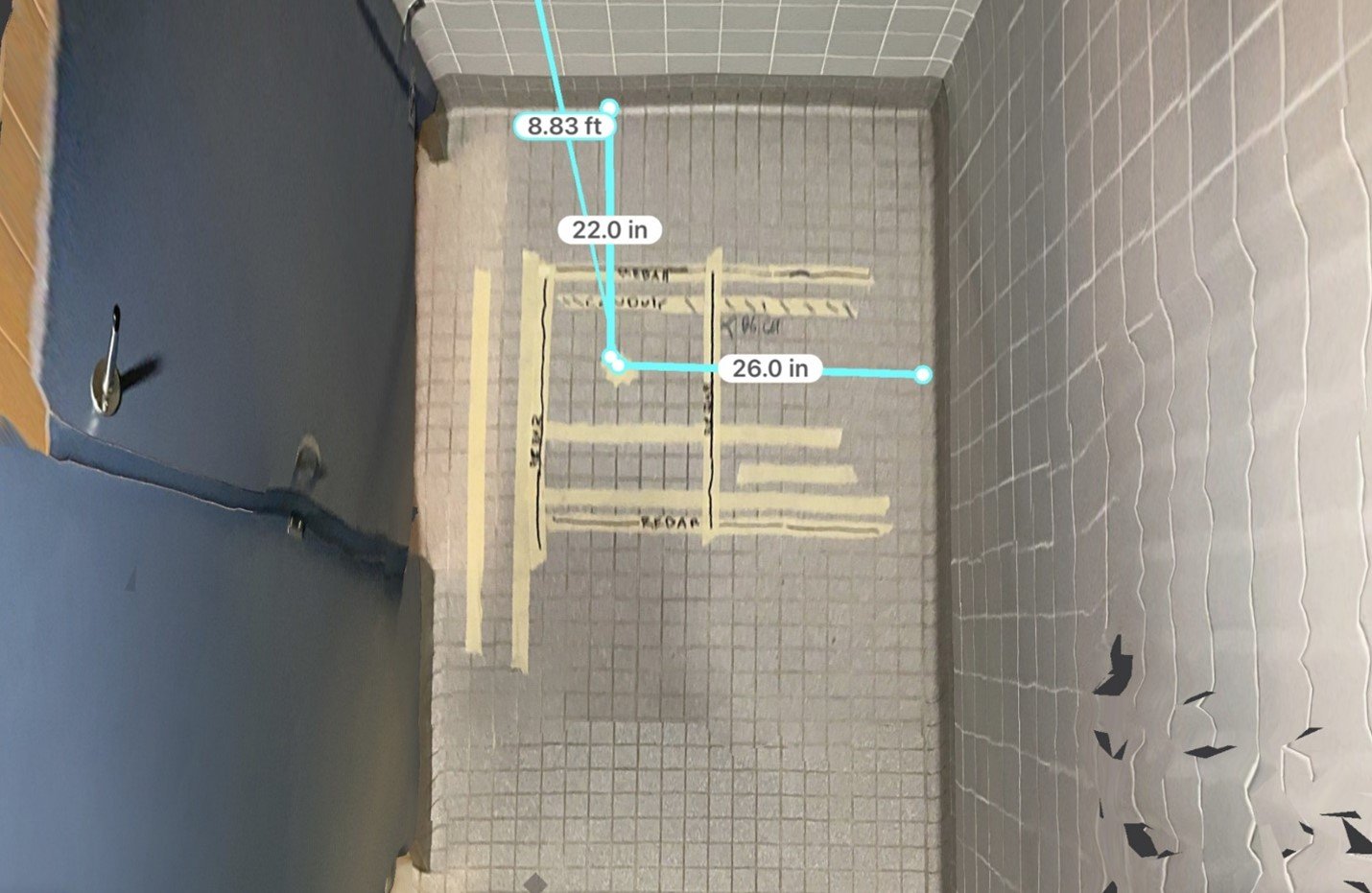
OmniVueNDT performed core location scanning and documentation using ground penetrating radar (GPR) to accurately identify subsurface features within a concrete structure. The project focused on providing precise data for core drilling locations while minimizing risk to embedded elements such as rebar and conduits. Using non-destructive testing methods, detailed subsurface imaging was delivered to improve accuracy, enhance documentation, and support efficient and safe construction practices.
Post Tension Cable Project #2
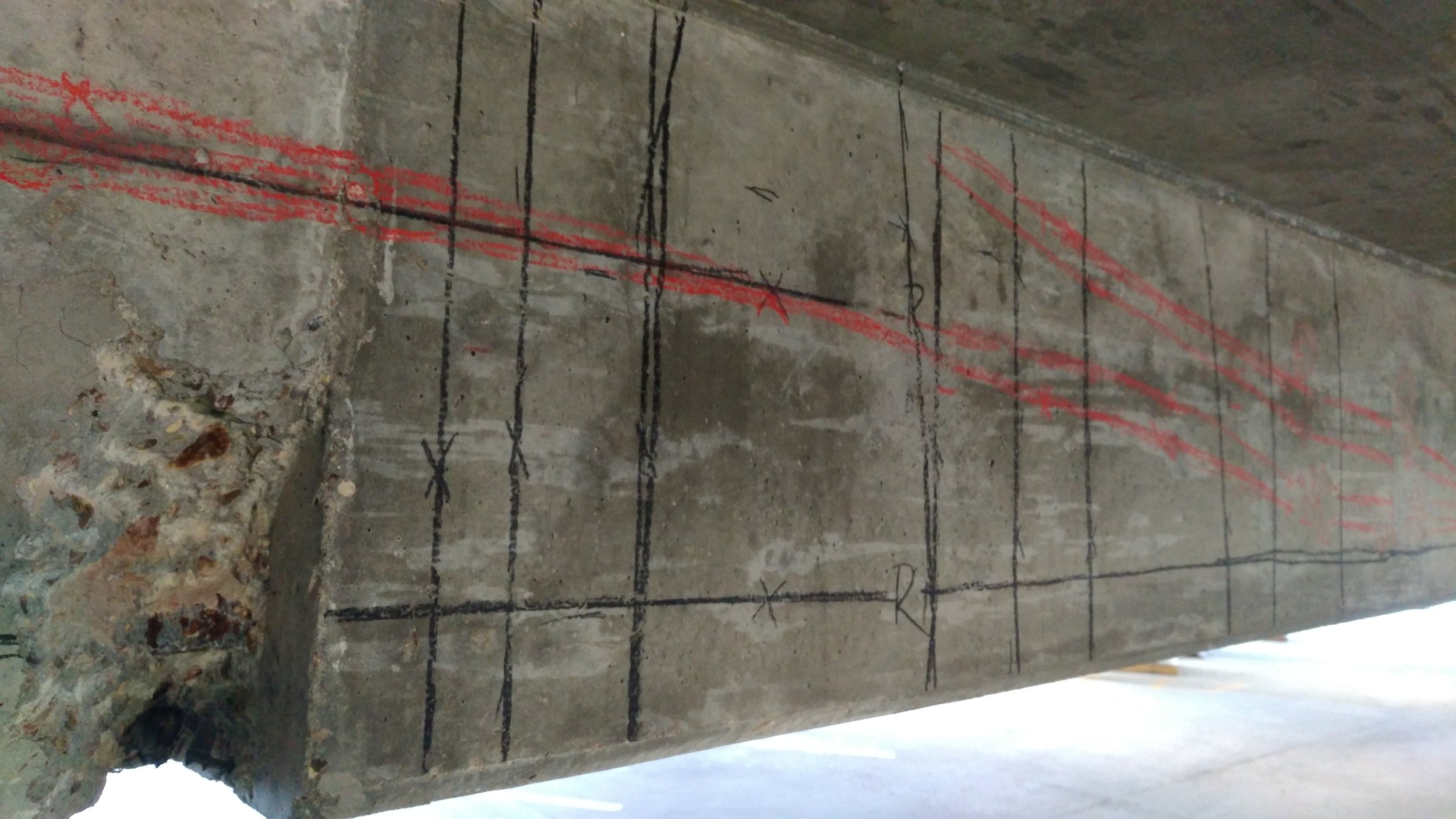
OmniVueNDT utilized ground penetrating radar (GPR) to detect post-tension cables within a concrete structure prior to construction activities. The project required accurate identification of embedded cables to avoid damage during cutting, coring, and drilling operations. Through non-destructive testing methods, precise subsurface data was provided to improve safety, minimize risk, and support efficient project execution.
Post Tension Cable Project #1
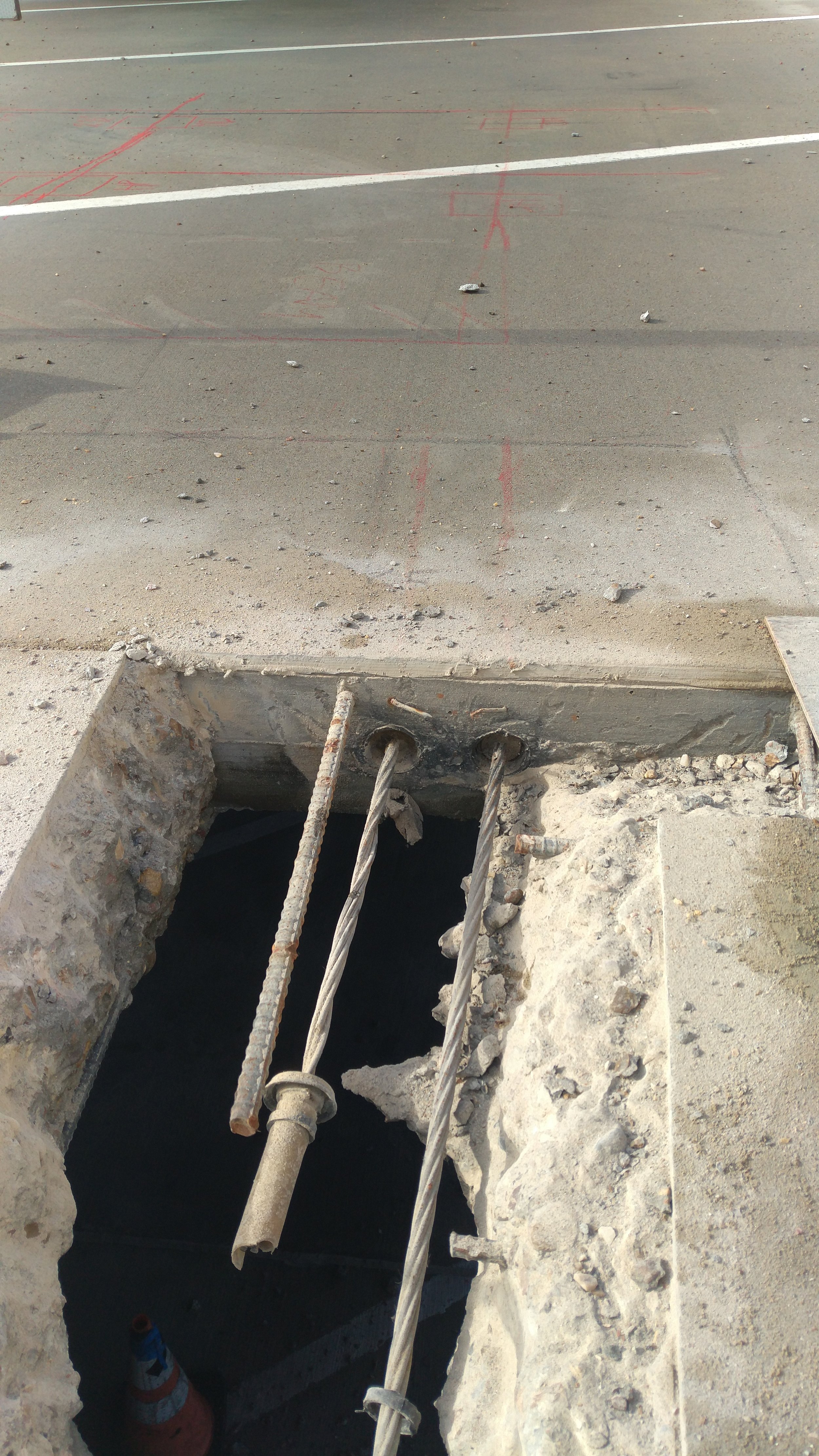
OmniVueNDT performed GPR scanning to accurately locate post-tension cables within a concrete structure prior to modification. The project required precise identification of cable placement to prevent damage during coring, cutting, and drilling activities. Using non-destructive testing methods, detailed subsurface imaging was provided to enhance safety, reduce risk, and ensure the integrity of the structure.

Restaurant Remodelling
OmniVueNDT performed GPR scanning to support a restaurant remodeling project by identifying embedded elements within the concrete structure. The project required accurate location of rebar, conduits, and utilities prior to cutting, coring, and modification activities. Using non-destructive testing methods, detailed subsurface imaging was provided to reduce risk, prevent damage, and ensure safe and efficient renovation of the space.

Precast Wall Scanning
OmniVueNDT performed GPR scanning on precast wall elements to accurately locate embedded components such as rebar, conduits, and other structural features. The project required precise subsurface imaging prior to cutting, coring, or modification to prevent damage and maintain structural integrity. Using non-destructive testing methods, detailed data was provided to support safe construction practices, reduce risk, and improve project efficiency.
GPR Scanning for Risk Mitigation on Existing Structures
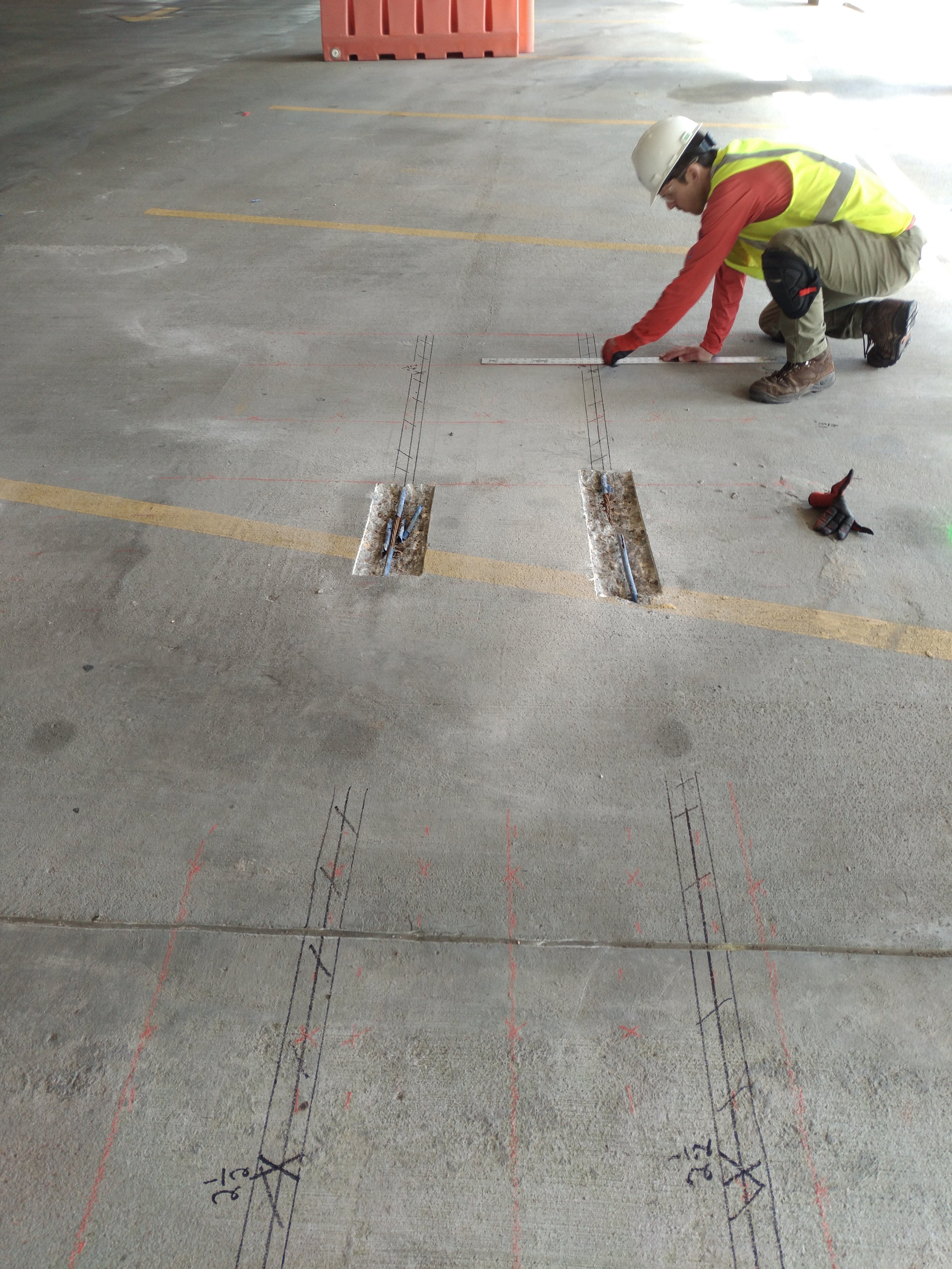
OmniVueNDT provides GPR scanning services to support risk mitigation on existing structures by identifying hidden subsurface conditions before construction activities begin. Undetected hazards such as voids, rebar, post-tension cables, and buried utilities can lead to costly damage, delays, and safety risks. Using non-destructive testing methods, OmniVueNDT delivers accurate subsurface imaging that enables safer drilling, coring, and load placement while improving overall project planning and execution.

Radiant Heating Tube System Imaging Houston, TX Residential
OmniVueNDT performed GPR scanning to locate radiant heating tubes within a residential property in Houston, TX. The project required accurate mapping of the embedded tubing system prior to renovation and drilling activities to prevent accidental damage. Using non-destructive testing methods, precise subsurface imaging was provided, allowing for safe modifications and protecting the integrity of the heating system.

Rebar Layout Mapping Humble, TX
OmniVueNDT performed GPR-based rebar layout mapping in Humble, TX to accurately locate reinforcement within a concrete structure. The project required precise identification of rebar placement prior to coring, cutting, and drilling activities to prevent structural damage. Using non-destructive testing methods, the team provided clear subsurface imaging to support safe construction practices, reduce risk, and improve project efficiency.